
 Save
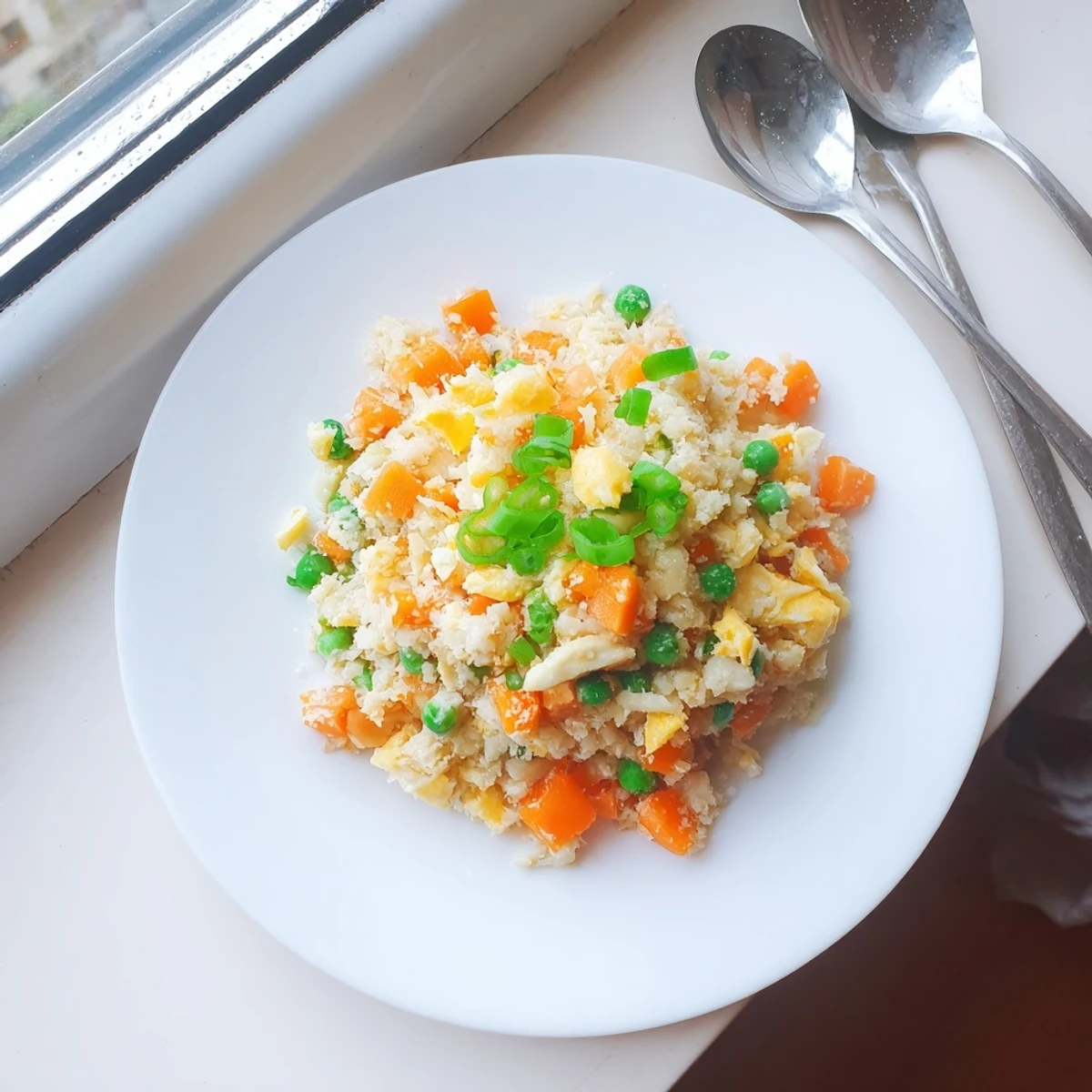
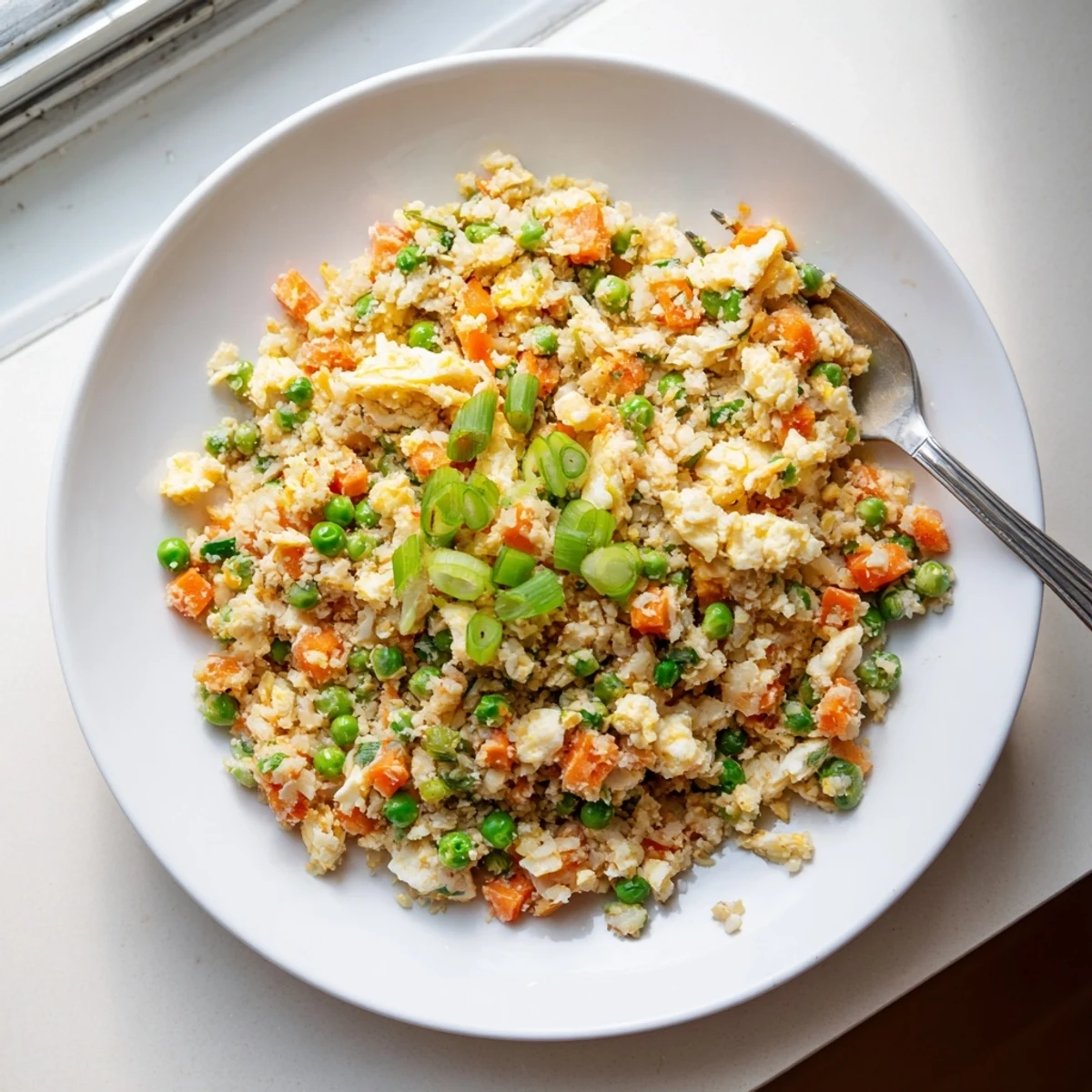
Save This vibrant Asian-style dish transforms cauliflower into a grain-free base that mimics the texture of traditional fried rice. The combination of fresh vegetables—carrots, peas, and spring onions—creates a colorful bowl that's as nutritious as it is satisfying.
What makes this dish special is how quickly it comes together. In just 25 minutes, you can have a complete meal that delivers all the savory flavors you expect from stir-fried dishes. The aromatic blend of garlic, ginger, and toasted sesame oil creates depth, while scrambled eggs add protein and richness.
Perfect for busy weeknights, this versatile base works as a standalone meal or side dish. The naturally sweet vegetables pair beautifully with the salty umami of soy sauce, and the tender-crisp texture keeps every bite interesting.
The smell of sesame oil hitting a hot wok instantly transports me back to my tiny apartment kitchen, where I first discovered that cauliflower could actually compete with real rice. I was skeptical at first—honestly, who wouldn't be? But that first bite changed everything about how I approach lighter comfort food.
Last winter, my friend came over feeling under the weather and requested something warming but not too heavy. I whipped this up, and she honestly thought it was regular rice until I told her. Now it's her go-to comfort food request whenever she visits.
Ingredients
- 1 medium head cauliflower: Pulse this in batches—overcrowding your processor leads to mush instead of rice-like texture
- 1 medium carrot, diced: Fresh carrots add sweetness that frozen ones just cant replicate
- 1 cup frozen peas: These little green gems bring pops of color and sweetness throughout
- 4 spring onions, separated: White parts go in early for depth, green parts finish with fresh bite
- 2 cloves garlic, minced: Fresh garlic makes all the difference here—jarred stuff is too mild
- 1-inch fresh ginger, grated: The aromatic foundation that makes this sing
- 2 large eggs: Room temperature eggs scramble more evenly than cold ones straight from the fridge
- 2 tbsp soy sauce: This is your salt and umami in one—adjust based on your soy sauce brand strength
- 1 tbsp toasted sesame oil: Don't skip this—it's what makes it taste like takeout
- ½ tsp black pepper and salt: Start here, then taste and adjust
- 1 tbsp vegetable oil: A neutral oil lets the sesame oil shine without competing flavors
Instructions
- Turn cauliflower into rice:
- Pulse the florets in short bursts—longer processing turns everything into mash. Work in batches if your processor is small.
- Heat your wok:
- Get that oil shimmering before you add anything. A properly heated pan prevents sticking and gives you those gorgeous caramelized bits.
- Build your aromatics:
- Toss in white spring onion parts, garlic, and ginger. Let them sizzle for just 60 seconds—any longer and garlic turns bitter.
- Soften the carrots:
- Give these 2 minutes head start since they take longer than everything else. You want them tender-crisp, not mushy.
- Add the base:
- Dump in peas and cauliflower rice. Keep everything moving—frequent stirring prevents steaming and promotes those tasty browned edges.
- Make space for eggs:
- Push everything to one side like a pro. Crack eggs into the empty zone and scramble until just set, then fold them through.
- Season and finish:
- Pour in soy sauce and sesame oil last. Toss until every grain glistening, then hit it with those fresh green onions.
 Save
Save This recipe has become my secret weapon for dinner parties. Guests never suspect they're eating vegetables until someone mentions how light they feel afterward. Watching that realization dawn on their faces never gets old.
Making It Your Own
I've learned that the best fried rice adapts to whatever's in your crisper drawer. Sometimes I throw in bell peppers for crunch, or edamame for extra protein. The canvas is yours to paint.
The Protein Question
While this stands beautifully on its own, leftover rotisserie chicken, shrimp, or cubes of firm tofu transform it into a complete meal. Just cook your protein before starting the vegetables, then add it back in with the final seasoning.
Mastering The Texture
The difference between good and great cauliflower fried rice comes down to one thing: resisting the urge to overcrowd your pan. When ingredients are layered too deep, they steam instead of fry. Use your largest skillet or cook in batches if needed. But once you nail that technique, the difference is night and day.
- A hot pan is your best friend—let it preheat properly
- Let the cauliflower rice sit undisturbed for 30 seconds between stirs to develop golden spots
- Taste as you go—soy sauce brands vary wildly in salt intensity
 Save
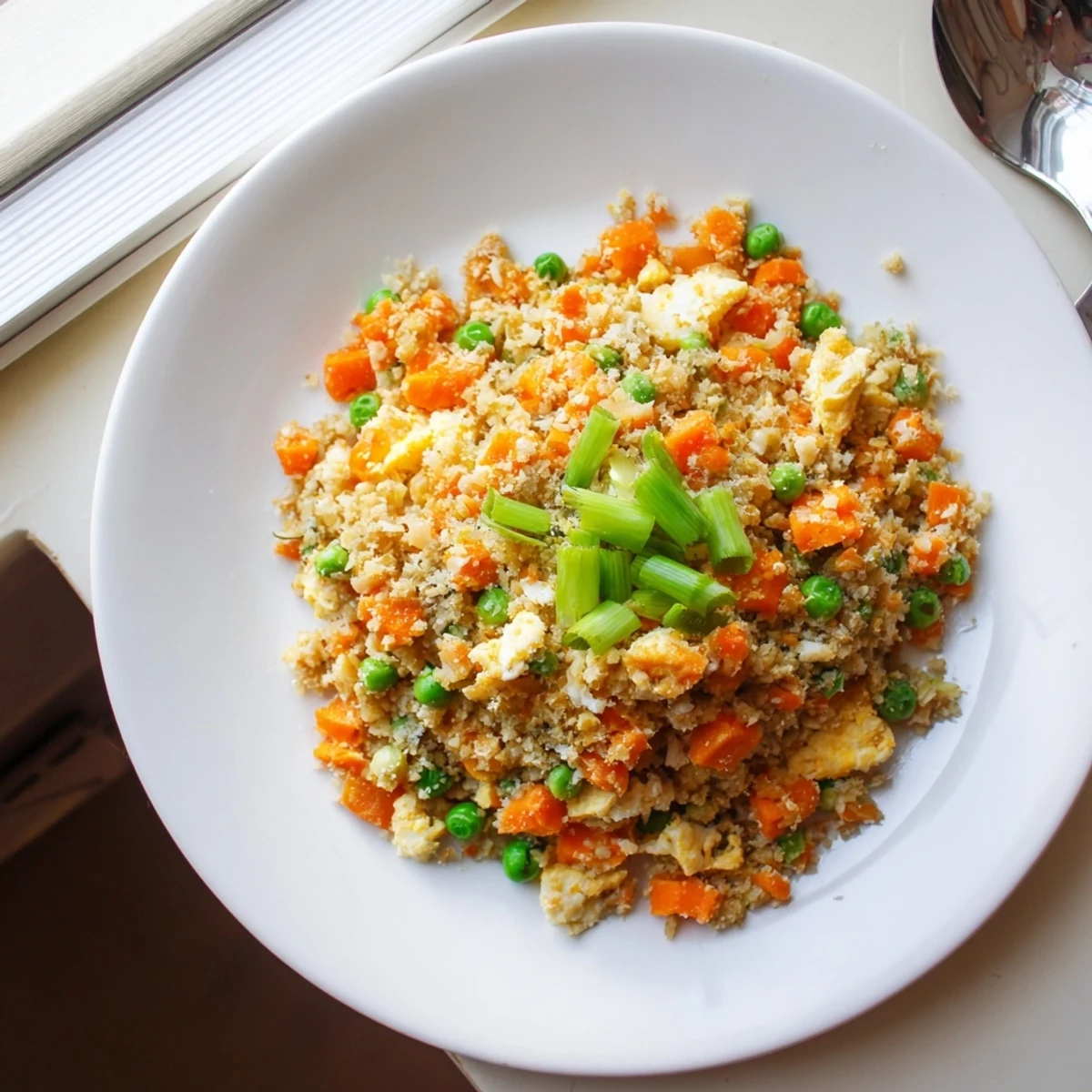
Save There's something deeply satisfying about turning a humble vegetable into something that feels indulgent. This recipe proves that healthy eating doesn't mean sacrificing comfort.
Recipe Questions & Answers
- → Is cauliflower rice healthier than regular rice?
-
Yes, cauliflower rice offers significantly fewer calories and carbohydrates while providing more fiber and essential nutrients. It's an excellent option for those following low-carb, keto, or gluten-free lifestyles.
- → Can I make this without a food processor?
-
Absolutely. You can grate cauliflower florets using a box grater or chop them finely with a knife. The texture may vary slightly, but the result will still be delicious.
- → How long does this keep in the refrigerator?
-
Stored in an airtight container, this dish keeps well for 3-4 days. Reheat gently in a skillet or microwave, adding a splash of water if needed to refresh the texture.
- → Can I freeze cauliflower fried rice?
-
Yes, freeze portions in sealed containers for up to 2 months. Thaw overnight in the refrigerator before reheating. Note that the texture may become slightly softer after freezing.
- → What protein additions work well?
-
Leftover cooked chicken, shrimp, diced tofu, or even edamame make excellent protein additions. Add them during the final few minutes of cooking to heat through.
- → Is this suitable for meal prep?
-
This is perfect for meal prep. The flavors actually improve after sitting, and it reheats beautifully. Portion into individual containers for easy grab-and-go lunches throughout the week.