
 Save
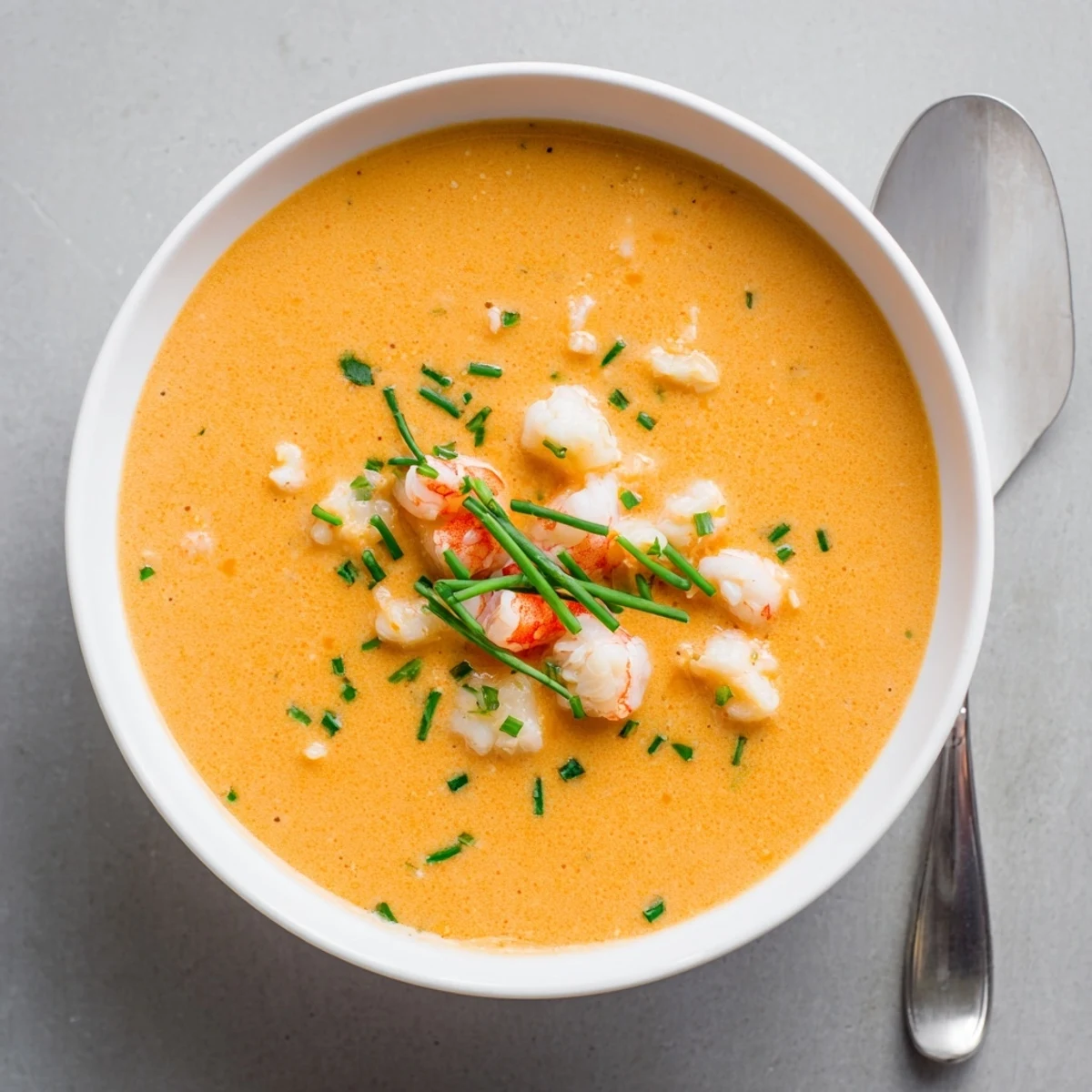
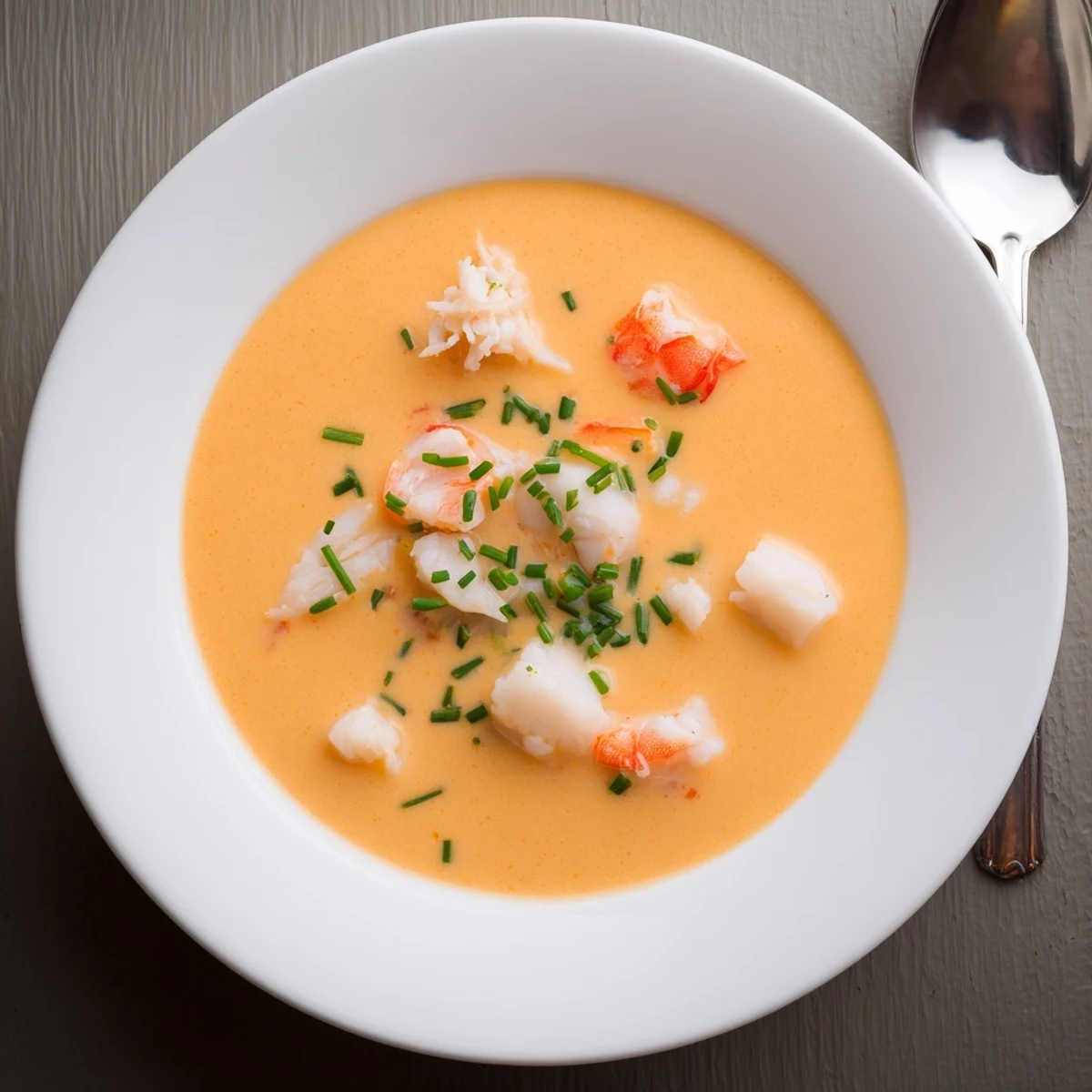
Save This luxurious French classic combines tender shrimp, sweet scallops, and delicate lump crab meat in a velvety, well-seasoned cream base. The aromatic foundation of sautéed vegetables builds deep flavor, while a splash of white wine and quality seafood stock creates a sophisticated broth. Finished with bright lemon juice and fresh herbs, each bowl delivers restaurant-quality elegance in just over an hour.
The first time I attempted bisque, I stood over the stove nervously, certain I'd ruin something so elegant. But as the aromatics hit the butter and that first whiff of paprika rose up, I understood why this soup has graced French tables for centuries. Now it's my go-to when I want to make dinner feel like an occasion without spending hours in the kitchen.
Last winter my sister came over feeling defeated by a rough week at work. I ladled this bisque into warmed bowls, watching steam curl up as she took that first spoonful. She didnt say much, just closed her eyes and let out the longest sigh, and somehow I knew the soup had done what words couldnt.
Ingredients
- 200 g shrimp: I always keep frozen peeled shrimp in my freezer because theyre perfect for this soup and thaw in minutes under cold water
- 150 g scallops: Bay scallops work beautifully here, but sea scallops cut into quarters give you those luxurious bites everyone fights over
- 150 g lump crab meat: Splurge on the good stuff fresh or pasteurized, nothing ruins bisque faster than imitation crab texture
- 1 small onion, 1 stalk celery, 1 small carrot: This classic mirepoix foundation creates that layered depth that makes people think you simmered all day
- 2 garlic cloves, minced: Press these right into the pot so they melt into the base rather than leaving bitter chunks
- 60 ml dry white wine: Whatever youre drinking works perfectly, though a crisp Sauvignon Blanc adds lovely brightness
- 1 liter seafood or fish stock: Homemade stock from shrimp shells elevates this to another level, but a quality store bought version wont let you down
- 120 ml heavy cream: Do not use half and half, the fat content is what creates that velvety mouthfeel that defines bisque
- 1 tbsp tomato paste: This secret ingredient adds that gorgeous coral color and subtle sweetness most people cant quite identify
- 2 tbsp butter and olive oil: The combo prevents butter from burning while still delivering that rich flavor
- 1 tsp paprika and 1/4 tsp cayenne: Smoked paprika adds depth while the cayenne provides just enough background warmth
- 1 tbsp fresh lemon juice: This brightening splash at the end is what makes the seafood flavors pop instead of feeling heavy
Instructions
- Build the aromatic foundation:
- Melt butter with olive oil in your large saucepan over medium heat, then add onion, celery, carrot, and garlic. Let them soften until fragrant, about 4 to 5 minutes, stirring occasionally so nothing browns.
- Bloom the spices:
- Stir in tomato paste, cayenne, paprika, and bay leaf, cooking for 2 minutes until the paste darkens slightly and becomes fragrant.
- Deglaze the pan:
- Pour in white wine and let it bubble for 2 minutes, using your wooden spoon to scrape up any flavorful bits stuck to the bottom.
- Simmer the base:
- Add stock and bring to a gentle boil, then reduce heat and simmer uncovered for 15 minutes while you prep your seafood.
- Cook the seafood:
- Add shrimp and scallops to the simmering broth, cooking just until opaque, 3 to 4 minutes. Remove with a slotted spoon, chop coarsely, and set aside.
- Create the silk:
- Use your immersion blender directly in the pot to puree until completely smooth, or work in batches with a regular blender.
- Finish and combine:
- Return soup to the pot if you used a blender, then stir in cream, lemon juice, and all the chopped seafood. Simmer gently for 5 minutes before serving.
 Save
Save My friend Marie, who claims she cannot cook, made this for her anniversary dinner. She called me at 10pm, breathless with excitement because her husband had actually asked if she'd secretly taken cooking classes. The power of a good bisque, I told her, is that it makes everyone feel like a chef.
Making It Your Own
I've learned that bisque is incredibly forgiving once you understand the basic technique. Sometimes I'll swap in lobster tails when I'm feeling extravagant, or use only shrimp when crab prices skyrocket. The method stays the same, but the soup always feels like a new discovery.
The Secret To Restaurant Texture
After years of slightly grainy bisques, I finally realized that blending the soup before adding cream makes all the difference. The starch from the vegetables creates body without needing flour, and the cream stays silky rather than breaking during the high speed blending.
Serving Suggestions
This soup deserves to be served with the same care you put into making it. I always warm my bowls first, and keep the crusty bread within reach because everyone will want to soak up every last drop. The contrast of hot bisque against chilled white wine is something I look forward to all winter long.
- Thin bisque slightly with more stock if serving as a first course
- Keep it thicker if making it the main event with bread and salad
- Have extra lemon wedges at the table for guests who love brightness
 Save
Save There's something about serving bisque that makes even a Tuesday night feel special. Sometimes the simplest act of putting a beautiful soup on the table transforms the whole evening into something worth remembering.
Recipe Questions & Answers
- → What makes bisque different from regular soup?
-
Bisque is a smooth, creamy French soup traditionally made with shellfish. The key differences are the strained, velvety texture and the addition of cream, plus the use of rice or a roux as a thickener. This version achieves silkiness through vegetable purée and heavy cream.
- → Can I make this bisque ahead of time?
-
Absolutely. The base can be prepared up to 2 days in advance and refrigerated. Add the cream and seafood just before reheating and serving, as dairy can separate if overcooked and seafood becomes tough when reheated multiple times.
- → What's the best way to achieve a smooth texture?
-
An immersion blender works excellently directly in the pot. If using a standard blender, purée in batches and vent steam carefully. For the silkiest results, strain the puréed soup through a fine-mesh sieve before adding cream and seafood.
- → Can I substitute the shellfish?
-
Lobster makes a luxurious swap for crab or shrimp. For different flavors, try adding chunks of firm white fish like cod or halibut. Avoid delicate fish that might break apart during simmering. Maintain the total seafood weight for proper balance.
- → What should I serve with seafood bisque?
-
Crusty French bread or garlic crostini are ideal for dipping. A crisp white wine like Sauvignon Blanc or Chardonnay complements the richness. A simple green salad with vinaigrette balances the creamy soup beautifully.
- → How do I store leftovers?
-
Cool completely and refrigerate in airtight containers for up to 3 days. Reheat gently over low heat, stirring occasionally to prevent separating. Freezing isn't recommended as the cream texture may change, though the seafood base freezes well without cream.