
 Save
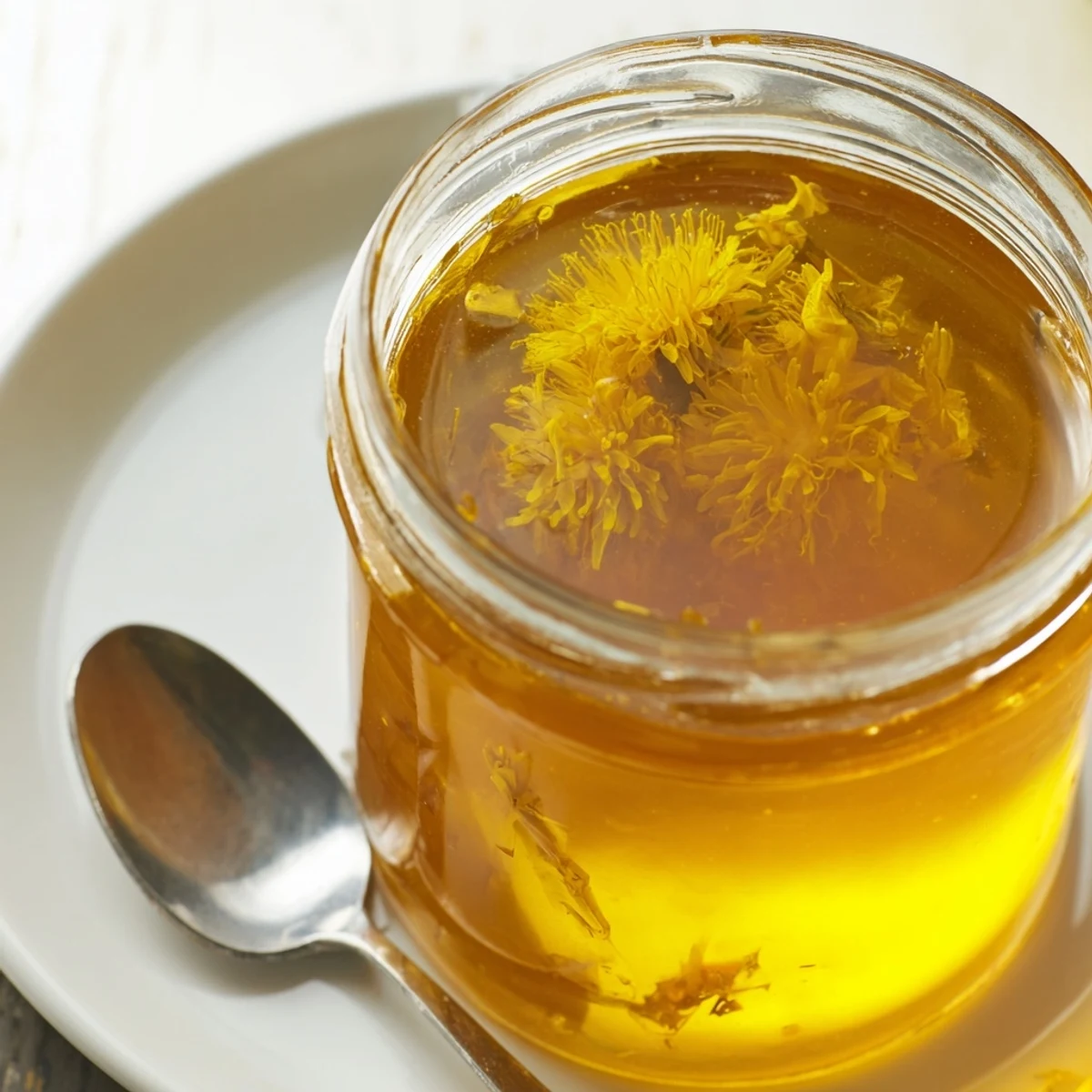
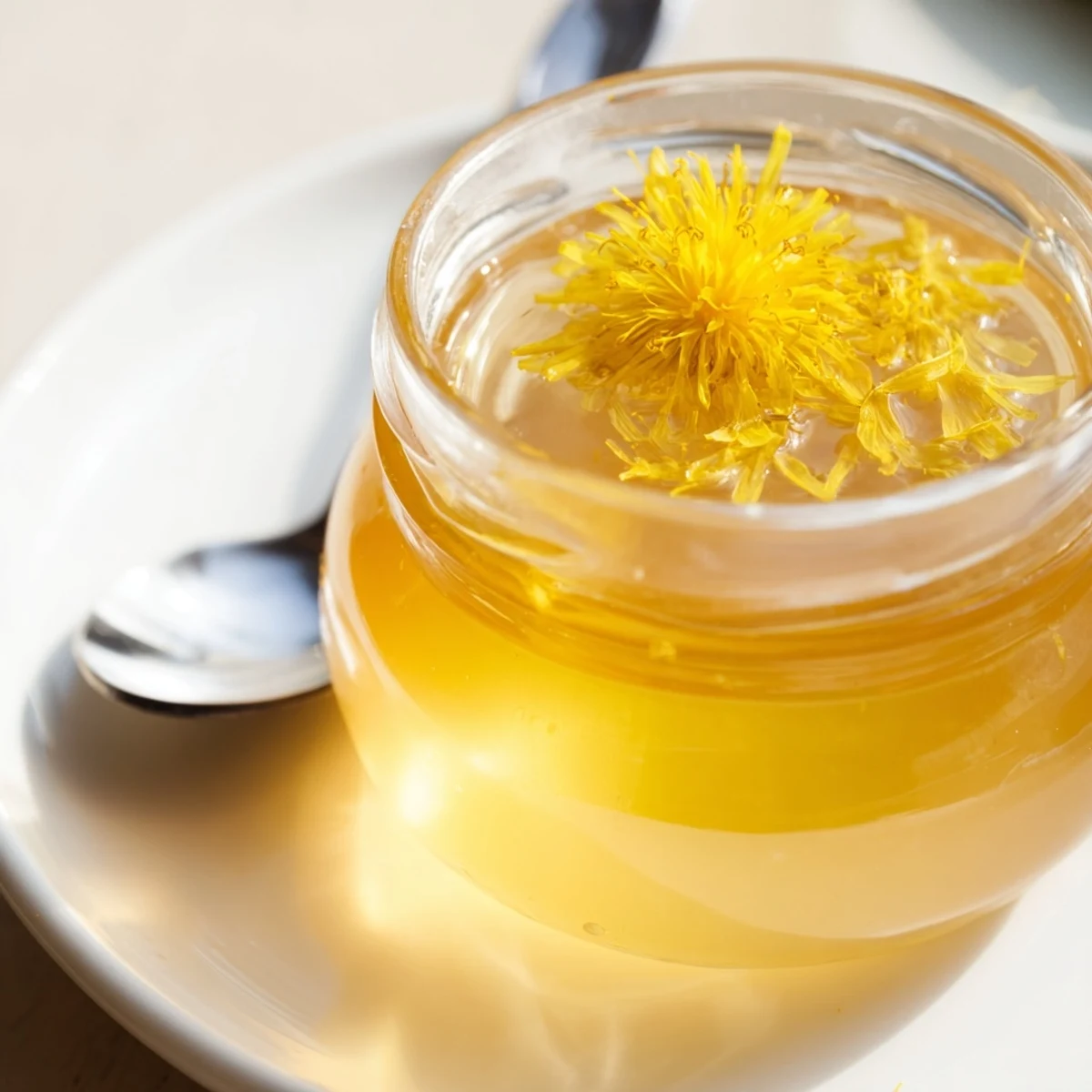
Save This golden dandelion jelly transforms humble yard flowers into a delicate, floral preserve that tastes like spring itself. The process starts with steeping freshly picked yellow dandelion petals in hot water, then combining the strained liquid with lemon juice, fruit pectin, and sugar to create a softly set spread. Ready in about an hour, it fills roughly four half-pint jars and works beautifully slathered on warm toast, swirled into yogurt, or paired with soft cheeses and scones. The flavor is gently sweet with subtle floral notes and a bright hint of citrus from the lemon. It's vegetarian, gluten-free, and vegan-friendly — a wonderful way to celebrate the season with something truly homemade and a little unexpected.
My neighbor Betty knocked on my door one May morning holding a mason jar filled with something impossibly golden and told me I had been pulling the wrong thing out of my lawn my entire life.
I made my first batch that same afternoon, standing at the stove with yellow petals stuck to my fingers and pollen dust on my nose, completely unsure if I was about to ruin a perfectly good pot.
Ingredients
- Fresh dandelion flowers (4 cups, yellow heads only): Picking from unsprayed yards is nonnegotiable since you want only the bright petals, no green bases which add bitterness
- Water (4 cups): This becomes your infusion base so filtered water keeps the floral flavor clean
- Lemon juice (2 tablespoons, freshly squeezed): The acid balances sweetness and helps pectin do its job properly
- Granulated sugar (1.5 to 2 cups): Sugar is not just sweetener here, it is the structure that makes jelly actually set
- Fruit pectin (1 package, 1.75 oz): Sure-Jell or Ball brands work reliably and skipping this is the one shortcut that will not work
Instructions
- Pluck and clean the petals:
- Rinse the flower heads gently, then snip or pull off only the yellow parts, discarding every bit of green base which carries an unpleasant bitterness.
- Build the infusion:
- Drop petals into a saucepan with the water, bring to a boil, then drop the heat and let them simmer for about 10 minutes until the water turns a warm amber.
- Steep like tea:
- Pull the pan off the heat entirely and walk away for 30 minutes, letting those petals give up every last bit of their flavor.
- Strain and measure:
- Pour everything through a fine mesh sieve or cheesecloth, pressing firmly on the petals to squeeze out all the golden liquid, then measure out roughly 3 cups.
- Set up the jelly base:
- Pour the measured liquid into a clean pot, stir in the lemon juice and pectin, then bring it to a full rolling boil over high heat without stopping your stirring.
- Add the sugar all at once:
- Dump in the sugar in one go, return to a hard boil, and hold it there for 1 to 2 minutes while stirring constantly.
- Skim and jar:
- Pull the pot off heat, skim off the pale foam from the top, then ladle the hot jelly into sterilized jars leaving a quarter inch of headspace.
- Seal and process:
- Screw on the lids and process in a boiling water bath for 10 minutes for shelf stable storage, or just refrigerate if you plan to eat it within a few weeks.
 Save
Save Betty came over for toast the next weekend and spread that first jar on warm sourdough without saying a word, just closed her eyes and nodded slowly like a judge at a pie contest.
Picking The Right Flowers
Go out in the late morning after the dew has dried but before the flowers close up in the afternoon heat. Avoid any lawns you know have been treated and grab from your own yard or a trusted neighbor who will appreciate fewer dandelions anyway.
Getting The Color Right
Raw dandelion jelly leans more amber than bright yellow, and that is completely normal. Tossing in a few calendula or marigold petals during the steep pushes the color toward that sunny gold people expect when they see the jar.
Serving Ideas Worth Trying
This jelly genuinely surprises people when paired with soft goat cheese on a cracker or dolloped onto a scone alongside clotted cream. It also works beautifully as a thin layer between cake tiers for a spring celebration dessert.
- Keep one jar unprocessed in the fridge for immediate bragging rights
- Label your jars with the date since the flavor fades slightly after six months
- Make a double batch because it disappears faster than you would believe
 Save
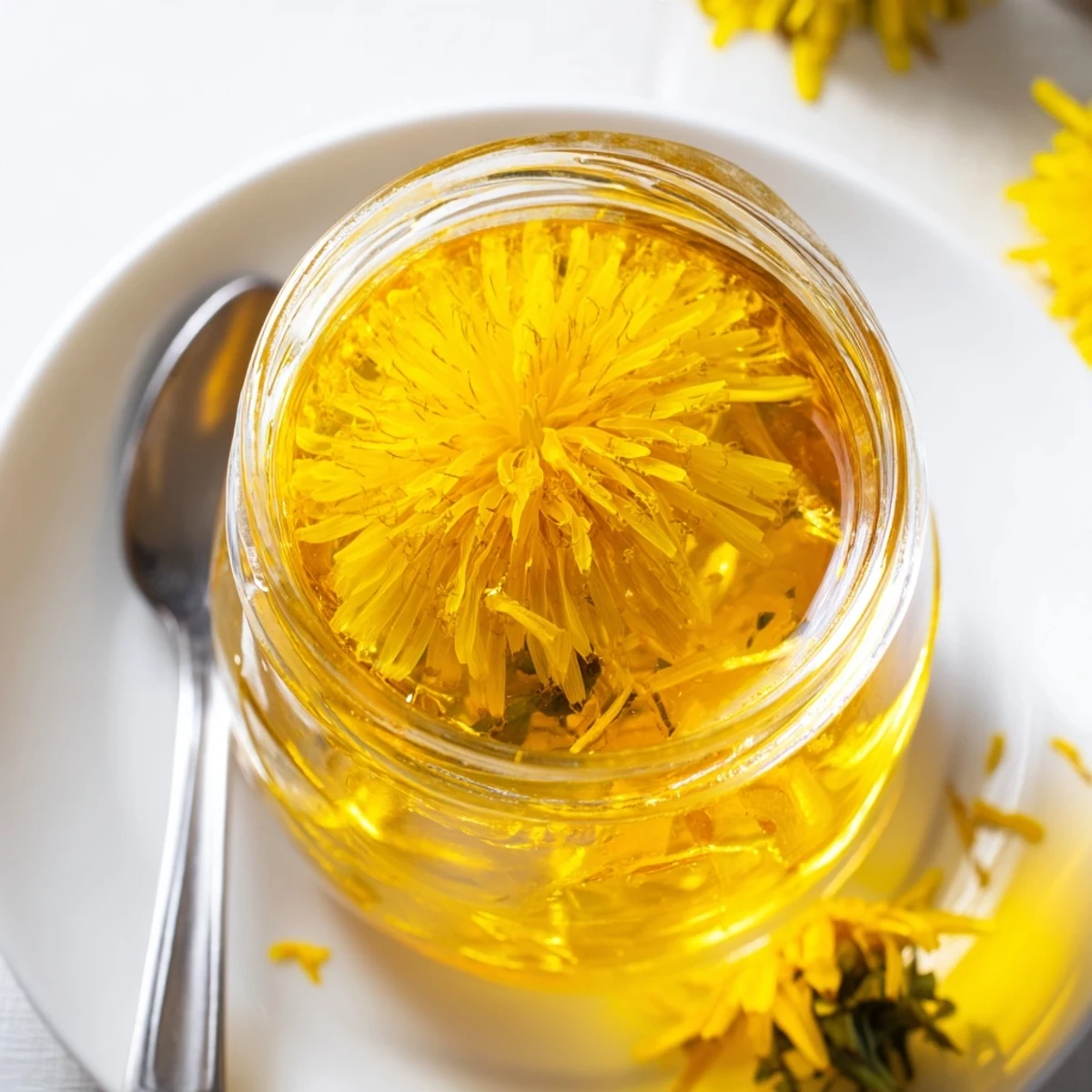
Save Every spring now I look at a yard full of dandelions and see four jars of golden jelly waiting to happen instead of a problem to solve.
Recipe Questions & Answers
- → What does dandelion jelly taste like?
-
Dandelion jelly has a delicate floral sweetness with subtle honey-like notes and a bright hint of citrus from the lemon juice. It's mild, not overpowering, and pairs well with both sweet and savory foods.
- → Can I use dandelions from my lawn?
-
Yes, but only if your lawn is free from pesticides, herbicides, and chemical fertilizers. Pick flowers from areas you're certain are unsprayed, and use only the yellow petals — remove all green parts to avoid bitterness.
- → How long does homemade dandelion jelly last?
-
If processed in a boiling water bath and sealed properly, jars will keep for up to one year in a cool, dark pantry. Unprocessed jars should be stored in the refrigerator and used within a few weeks.
- → Why is my dandelion jelly not setting firmly?
-
Reducing sugar below the recommended amount will result in a softer set. Make sure to use a full rolling boil when adding pectin, and verify your pectin is not expired. Using liquid pectin instead of powdered may also affect results.
- → Can I make dandelion jelly without pectin?
-
It's possible but tricky. Dandelions are low in natural pectin, so without added pectin you'd need to cook the liquid down significantly with lemon juice and sugar to reach a gel stage, and the yield will be much smaller with a less predictable set.
- → What's the best way to serve dandelion jelly?
-
It shines on warm buttered toast or English muffins, stirred into plain yogurt, dolloped alongside soft cheeses like brie or goat cheese, spread on scones, or even used as a light cake filling between layers.