
 Save
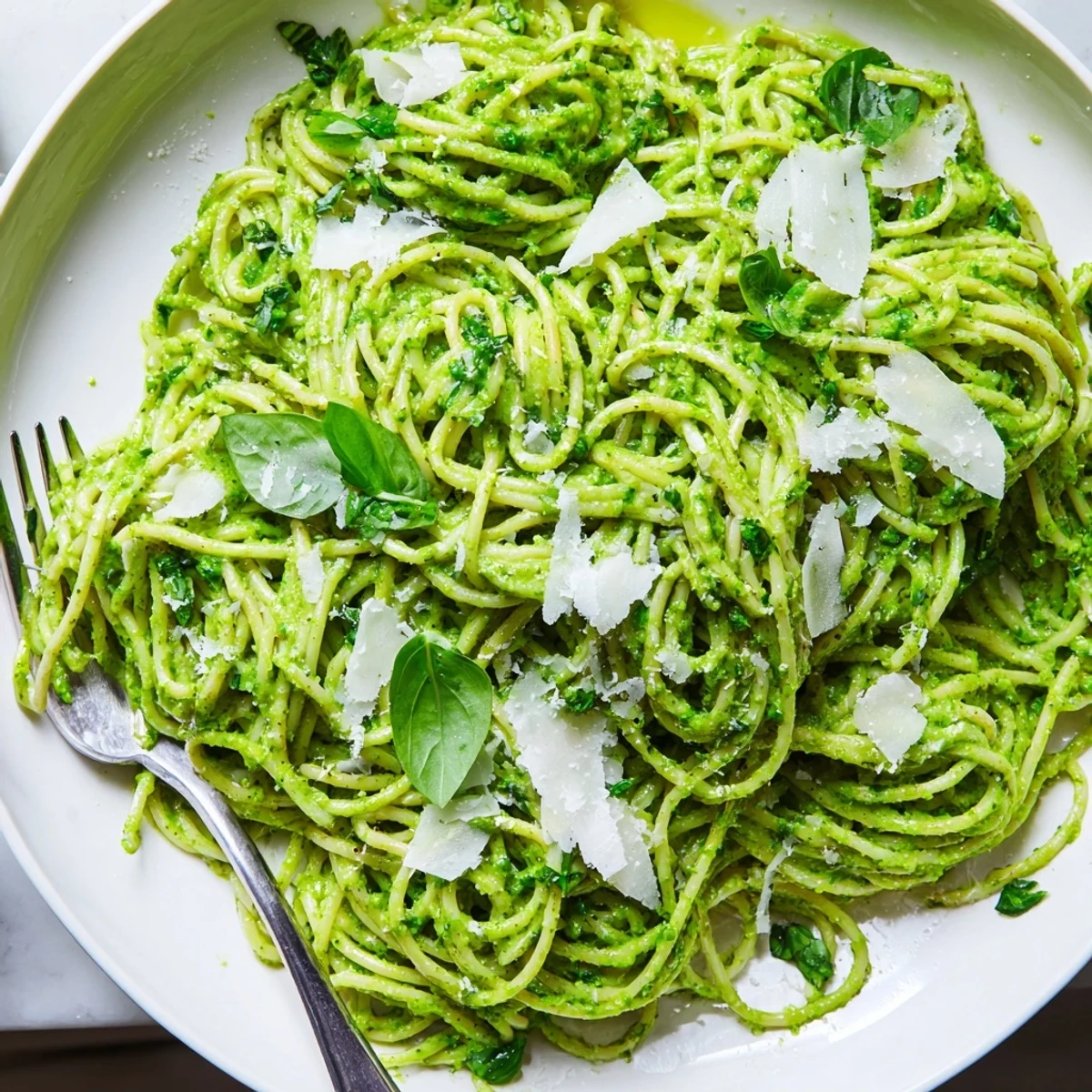
Save This green goddess pasta sauce comes together in just 20 minutes, making it an ideal choice for busy weeknights when you crave something fresh and flavorful.
Packed with nutrient-rich ingredients like avocado, spinach, basil, and Greek yogurt, it delivers a luxuriously creamy texture without heavy cream or butter. Simply blend all the herbs and aromatics until smooth, then toss with freshly cooked pasta.
The bright lemon juice and fragrant tarragon give it a distinctive, garden-fresh character that pairs beautifully with spaghetti, linguine, or any pasta shape you love. It's naturally vegetarian and easily adapted for vegan or gluten-free diets.
My kitchen window was open the first afternoon I threw every green thing I could find into a blender and called it dinner, and the smell of basil and cut chives drifted out into the yard where my neighbor actually stopped mid-conversation to ask what I was making. That sauce, slapped over hot spaghetti with nothing else, became the only thing I wanted to eat for the rest of that summer. It tastes like a garden decided to show off, creamy and bright and impossibly green. Ten minutes is all it takes to go from hungry to completely won over.
I made this for a friend who claimed she hated tarragon, and she ate two bowls before I mentioned what was in it. Now she texts me every spring asking for the recipe, and I send her a photo of my blender full of green sludge with a heart drawn on the lid in condensation. Some dishes earn their place in your life not because they are fancy, but because they make people happy before they even realize what they are eating.
Ingredients
- 1 ripe avocado: This is your creaminess, your richness, your entire reason to skip the heavy cream, so pick one that yields slightly when pressed but is not bruised or stringy.
- 1 cup fresh spinach leaves, packed: Bulk and body without overpowering the flavor, and it turns the sauce an even more vivid shade of green.
- 1/2 cup fresh basil leaves: The soul of the sauce, sweet and peppery and unmistakable, so use the freshest leaves you can find and tear them gently off the stem.
- 1/4 cup fresh chives: A gentle onion hum that ties the herbs together without shouting, and snipping them with scissors right into the blender saves you a cutting board.
- 1/4 cup fresh parsley: Earthy and bright, it rounds out the sweeter herbs and adds a clean finish to every bite.
- 2 tablespoons fresh tarragon leaves (optional but traditional): That faint anise note is what makes this taste like green goddess dressing grown up and moved to pasta, so include it if you can find it.
- 2 cloves garlic, peeled: Raw garlic punches hard in a blender sauce, so two cloves is the sweet spot between assertive and polite.
- 3 tablespoons extra-virgin olive oil: Helps the blades spin smoothly and adds a fruity richness that carries the herb flavor across your palate.
- 1/2 cup Greek yogurt or sour cream: Tang and body in one spoonful, and the Greek yogurt option keeps things lighter on warm evenings.
- Juice of 1 lemon: Acidity is what makes all that green taste alive instead of flat, so squeeze it yourself and skip the bottled stuff.
- 1/4 cup grated Parmesan cheese (plus more for garnish): Salt and umami folded right into the sauce, and an extra shower on top at the end never hurt anyone.
- 1 teaspoon salt, or to taste: Start here and adjust after blending, because the Parmesan and yogurt already contribute some salinity.
- 1/2 teaspoon freshly ground black pepper: A quiet warmth in the background that makes the other flavors pop.
- 1/4 teaspoon chili flakes (optional for heat): A tiny flicker of spice that catches up with you on the finish and keeps each bite interesting.
- 12 oz dried pasta (spaghetti, linguine, or your favorite shape): Long strands tangle beautifully with the creamy sauce, but shells and rotini trap it in their folds just as happily.
Instructions
- Cook the pasta:
- Bring a large pot of generously salted water to a rolling boil and cook the pasta according to the package directions until just al dente, with a slight bite left in the center. Scoop out half a cup of the starchy cooking water before you drain it, because that liquid is pure gold for loosening the sauce later.
- Build the green goddess sauce:
- Drop the avocado, spinach, basil, chives, parsley, tarragon, garlic, olive oil, Greek yogurt, lemon juice, Parmesan, salt, pepper, and chili flakes into your food processor or blender. Run it until everything is completely smooth and the color is so vibrant it looks almost unreal, scraping down the sides once if needed.
- Taste and adjust:
- Stop and dip a spoon in, because this is your chance to add more salt, a squeeze more lemon, or another pinch of chili flakes before the sauce meets the pasta. Trust your tongue over the recipe.
- Bring it all together:
- Return the drained pasta to the warm pot or slide it into a big mixing bowl, then pour the green sauce over the top and toss with tongs until every strand or shape is coated. Splash in that reserved pasta water a little at a time until the sauce clings exactly the way you want it to.
- Serve and garnish:
- Divide among bowls and finish with extra Parmesan, a scatter of chopped herbs, and a thin drizzle of good olive oil if the mood strikes. Eat immediately while the contrast between hot pasta and cool sauce is at its best.
 Save
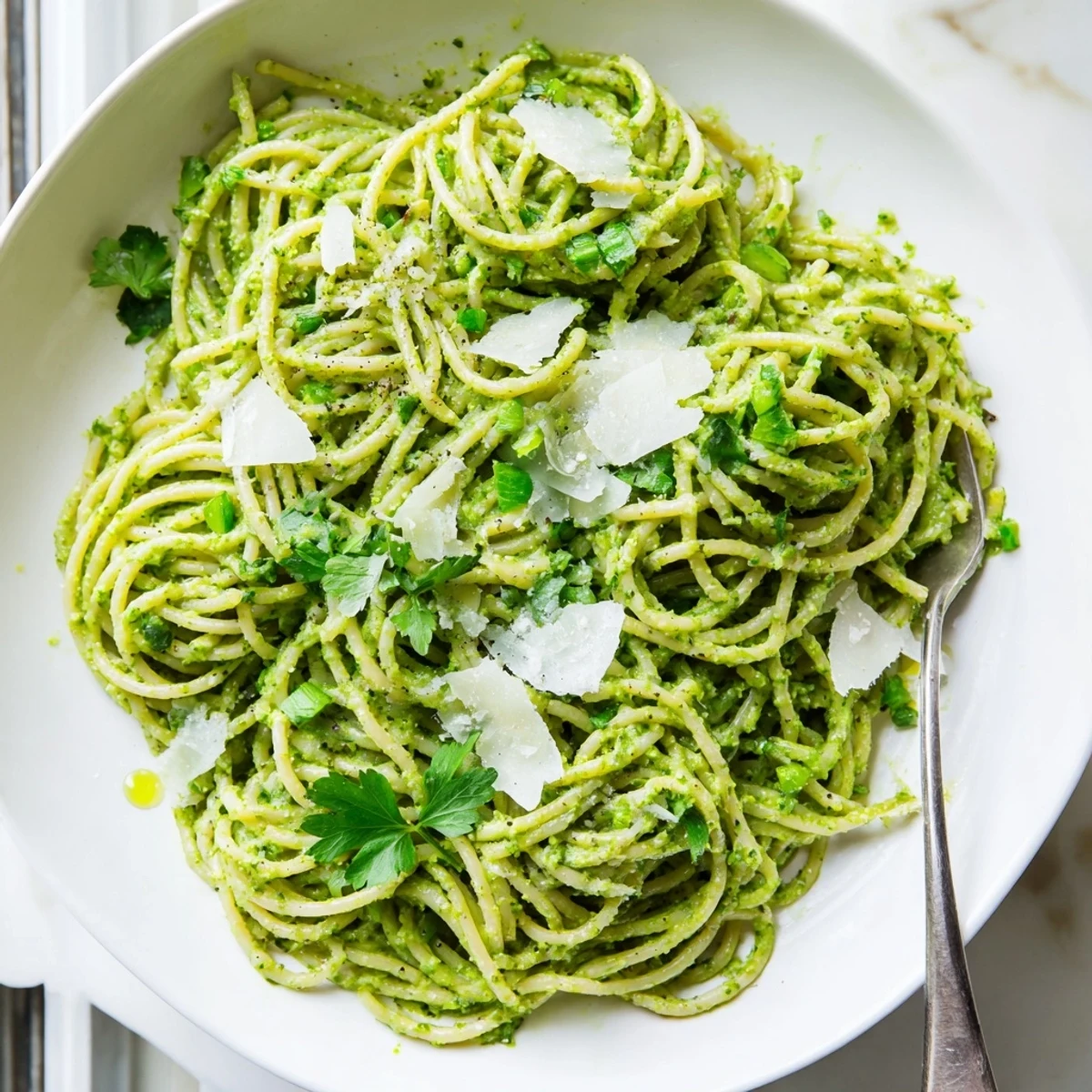
Save There was a Tuesday when the air conditioning was broken and the idea of turning on the oven felt personally offensive, so I made this sauce cold from the blender and tossed it with room-temperature noodles and ate the whole bowl standing at the counter with the refrigerator door open. It was not a glamorous meal, but it was exactly right, and I have never felt more certain that good food does not require suffering.
Wine and What to Drink With It
A glass of Sauvignon Blanc sitting next to this pasta is one of those pairings that makes you feel like you understand something about the world, because the grape's herbal, citrusy character mirrors exactly what is happening in the bowl. A crisp Pinot Grigio works too, or even just sparkling water with a fat wedge of lemon if wine is not your thing. The goal is something cold, dry, and refreshing enough to let the herbs keep singing.
Making It Your Own
Grilled chicken or shrimp tossed in at the end turns this into a protein-packed dinner that still feels light, and roasted cherry tomatoes burst into sweet little pockets that contrast beautifully with the creamy green sauce. I have folded leftover sauce into grain bowls with quinoa and crunchy cucumbers the next day and called it lunch, and I have smeared it on toast with a fried egg on top and called it the best breakfast I had all week. The recipe is a framework, not a rulebook.
Tools You Will Actually Reach For
Your food processor or blender is doing the heavy lifting here, so make sure the blade is sharp and the bowl is clean, because any leftover residue from last week's hummus will muddy the flavor. A large pot, a colander, and a pair of tongs are really all else you need.
- A chef's knife and cutting board are handy if you prefer to rough-chop the herbs before blending, though honestly the machine does the work either way.
- Measure the olive oil and yogurt into the blender first so the herbs stick less to the sides and blend more evenly.
- Taste the sauce before it touches the pasta, because fixing seasoning after tossing is far harder than fixing it before.
 Save
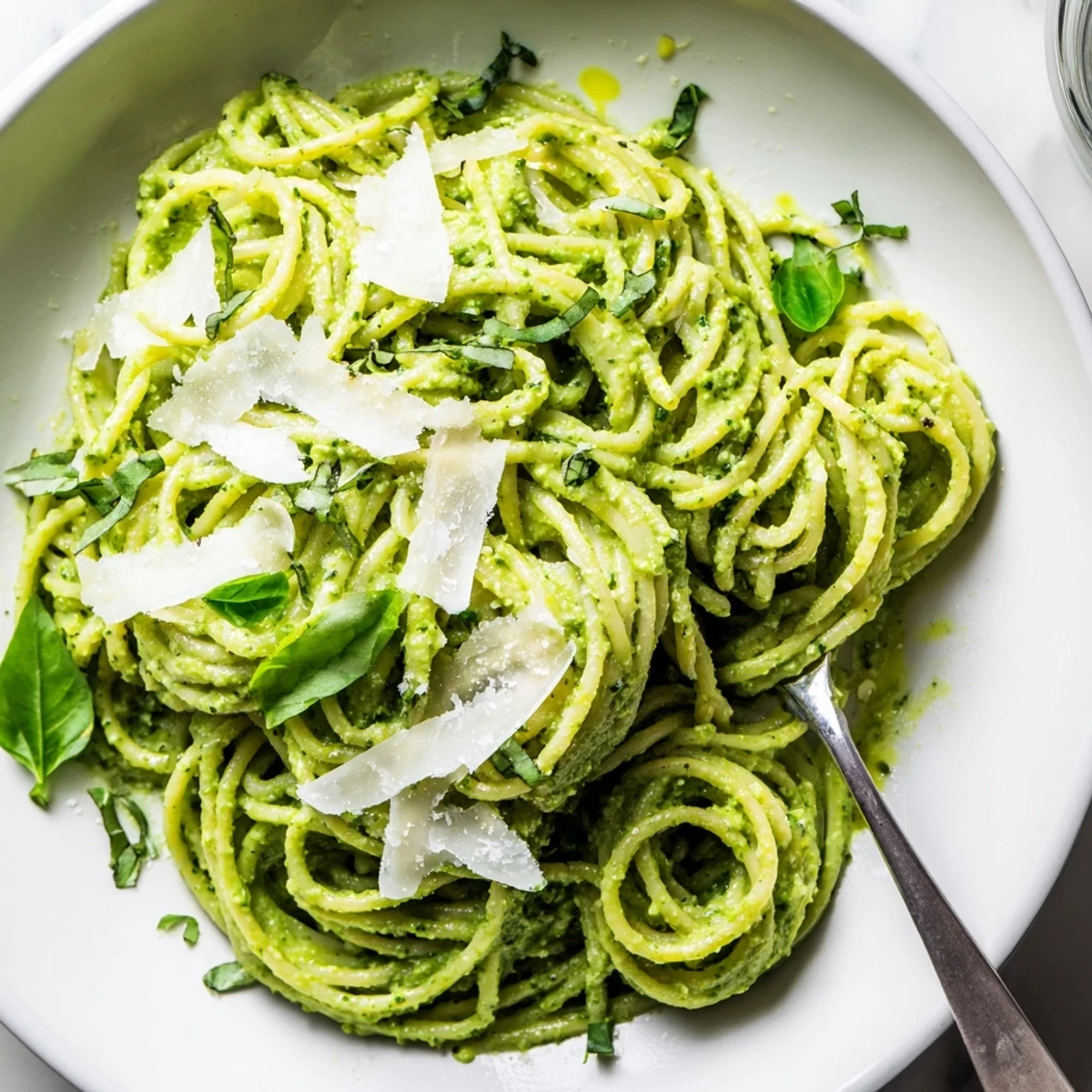
Save Keep this one in your back pocket for every warm evening when cooking feels like a chore and eating feels like a craving. It is ten minutes of effort for a bowl that tastes like you tried much harder than you did.
Recipe Questions & Answers
- → Can I make this sauce ahead of time?
-
Yes, you can prepare the sauce up to 24 hours in advance. Store it in an airtight container in the refrigerator with plastic wrap pressed directly against the surface to minimize oxidation. The avocado may cause slight browning, but a squeeze of extra lemon juice helps preserve the bright green color.
- → What pasta shapes work best with this sauce?
-
Long strands like spaghetti and linguine coat beautifully with this creamy sauce, but short shapes like fusilli, penne, or farfalle also work wonderfully since their ridges and curves hold onto the herb-packed mixture. Use gluten-free pasta if needed to accommodate dietary restrictions.
- → How do I prevent the sauce from turning brown?
-
The lemon juice in the sauce acts as a natural preservative thanks to its citric acid content. For best results, use a ripe but firm avocado, blend the sauce just before serving, and press plastic wrap directly onto the surface if storing. Adding a pinch of vitamin C powder can also help maintain the vibrant green color.
- → Can I substitute the Greek yogurt?
-
Absolutely. Sour cream works as a direct substitute with a slightly richer result. For a dairy-free version, use plain unsweetened coconut yogurt or cashew cream. Silken tofu blended until smooth also provides creaminess while keeping the dish entirely plant-based.
- → What proteins pair well with this dish?
-
Grilled chicken breast, seared shrimp, or flaky white fish like cod complement the herbal flavors without overpowering them. For vegetarian protein options, try adding white beans, crispy chickpeas, or pan-seared halloumi cheese on top for a satisfying, complete meal.
- → Is tarragon necessary for authentic flavor?
-
Tarragon is traditional in classic green goddess dressing and adds a subtle anise-like complexity that really elevates the sauce. However, if you cannot find it or dislike the flavor, you can simply omit it or substitute with a small amount of fresh dill or fennel fronds for a different but equally pleasant herbal note.