
 Save
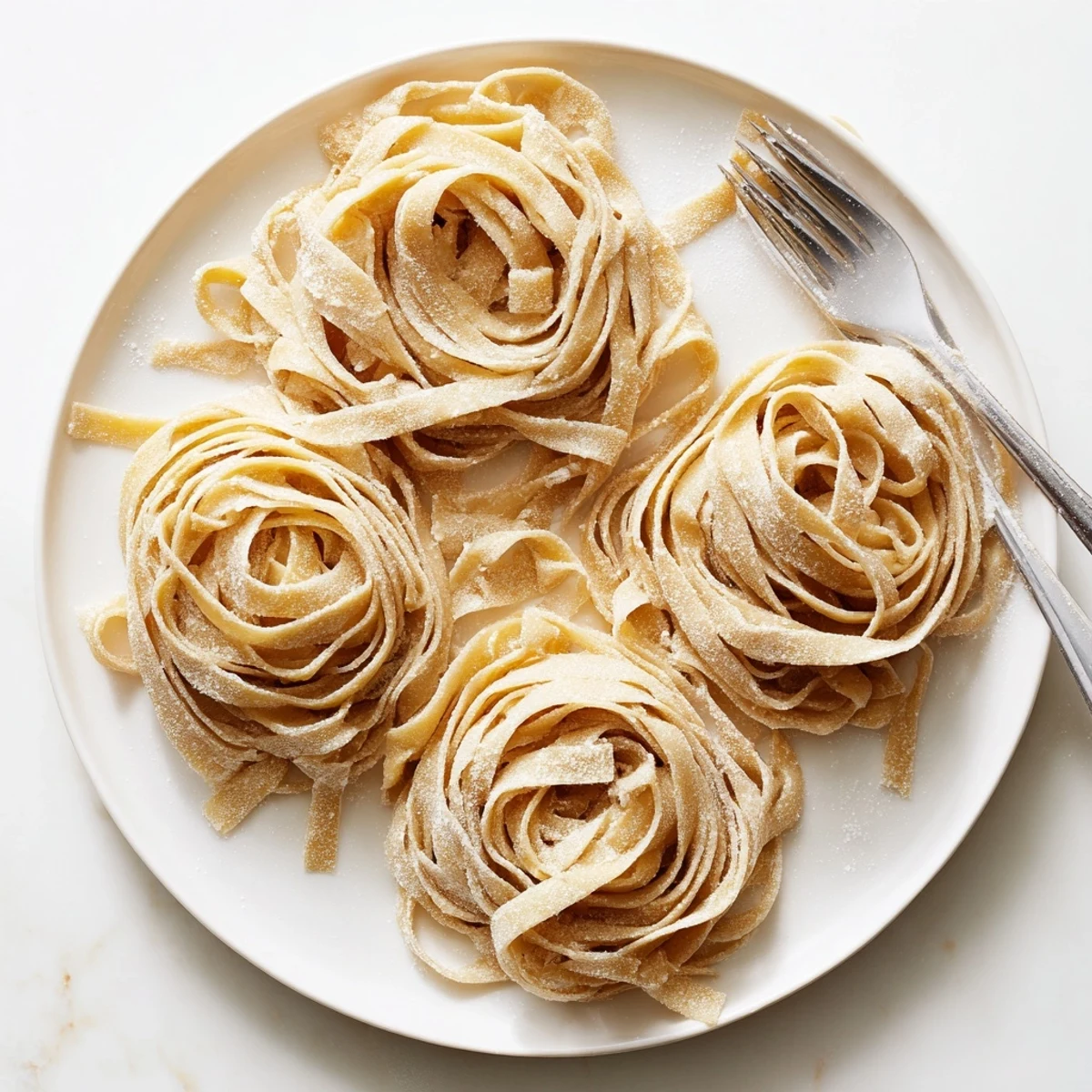
Save Transform your sourdough starter into exceptional handmade pasta with remarkable depth. The natural fermentation adds subtle tang while creating tender, chewy noodles with superior texture. This versatile dough works beautifully for tagliatelle, pappardelle, or sheets for lasagna and ravioli.
The process takes just over an hour, with most time spent letting the dough rest for optimal gluten development. You'll appreciate how the starter creates pasta that holds sauce beautifully and cooks to perfect al dente texture every time.
My kitchen counter was covered in a fine dusting of flour when I first attempted sourdough pasta, curious about what would happen when ancient bread techniques met Italian tradition. The starter had been bubbling on my counter for days, and I wondered if its tangy complexity could transform something as simple as flour and eggs. That first batch came out uneven and thick, but one bite revealed this incredible depth—this subtle sourness that made every sauce taste brighter. Now it's become my Sunday project, rolling dough while something simmers on the stove.
Last winter, during that long snowed-in weekend, I made batch after batch of this pasta for neighbors who'd become stranded together. Someone brought over a pot of slow-cooked ragù, another arrived with fresh parmesan, and suddenly my tiny kitchen became the warmest place in the building. We stood around the boiling pot, waiting for those first ribbons of noodles to float to the surface, talking about everything and nothing while the steam fogged up the windows. That night taught me that pasta isn't just dinner—it's an excuse to gather.
Ingredients
- 200 g all-purpose flour: Creates a tender yet sturdy dough that holds its shape beautifully during rolling
- 100 g active sourdough starter: This is the secret ingredient that adds tang, improves texture, and makes the pasta more digestible
- 2 large eggs: Provide richness and help bind the dough together while contributing to that perfect bite
- 1/2 tsp fine sea salt: Essential for seasoning the dough itself, not just the cooking water
- 1 tbsp olive oil: Optional but adds a touch of suppleness that makes rolling easier
Instructions
- Mix the foundation:
- Whisk flour and salt in a large bowl, creating a deep well in the center like a tiny crater ready to hold your liquid ingredients
- Combine wet and dry:
- Pour your bubbly starter, cracked eggs, and olive oil into the well, then use a fork to gradually draw flour into the mixture until it forms a rough, shaggy mass
- Knead to perfection:
- Turn onto a floured surface and knead for 8 to 10 minutes until the dough transforms from sticky and chaotic into something smooth, elastic, and alive under your hands
- Let it rest:
- Wrap the dough tightly and let it relax at room temperature for an hour, giving the gluten time to loosen and the starter time to work its subtle magic
- Roll and shape:
- Divide dough in half and roll thin, then cut into ribbons or use as sheets for filled pasta, dusting with flour to keep pieces from becoming friends
- Cook quickly:
- Drop into boiling salted water for just 2 to 3 minutes until the noodles float and taste tender but still offer a slight resistance to the tooth
 Save
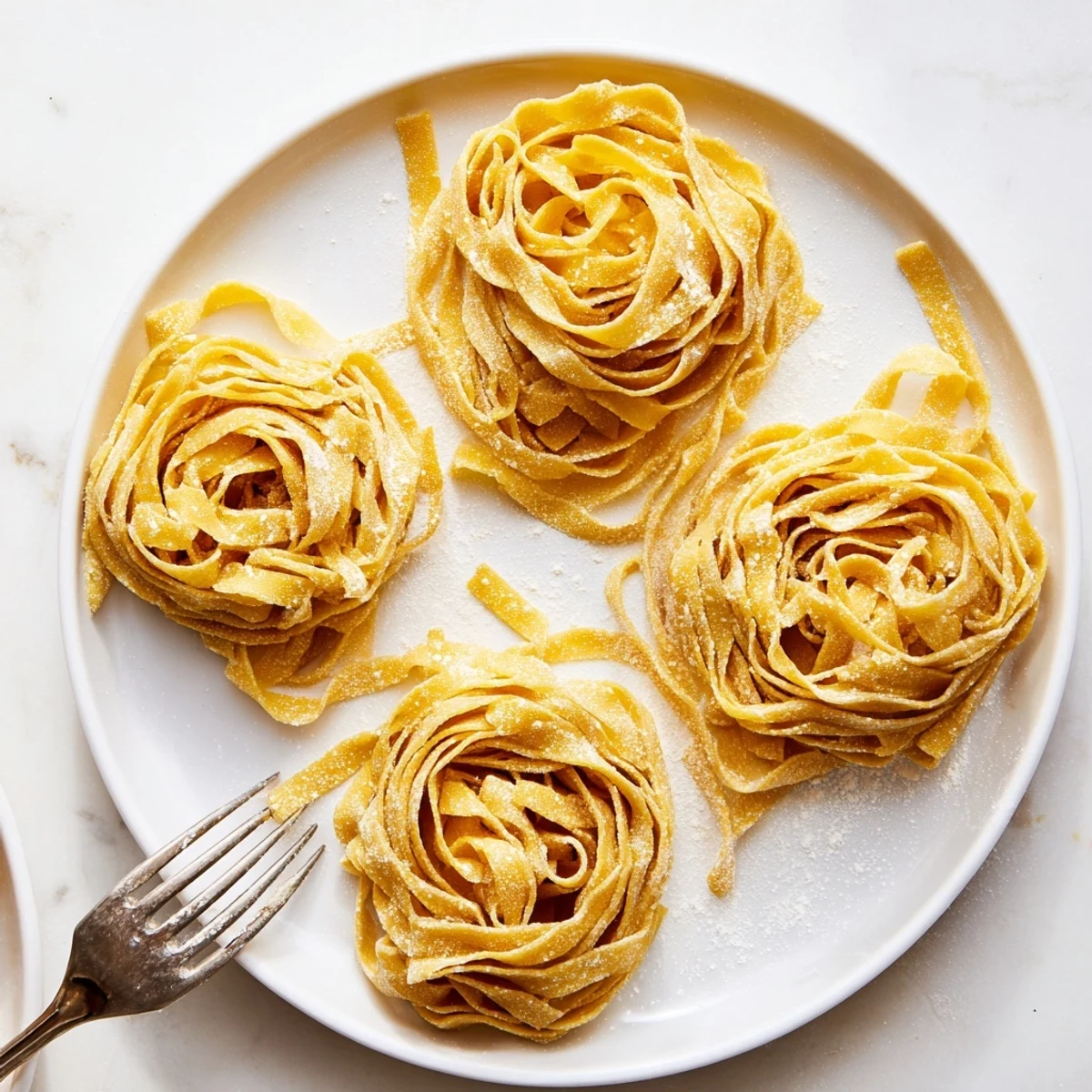
Save My friend Sarah, who'd sworn she couldn't cook anything more complex than toast, spent an afternoon learning to make this with me. We laughed so hard when her first attempts looked more like abstract art than pasta, but by her fourth try, she was turning out the most beautiful hand-cut tagliatelle. She served it to her family that night with nothing but browned butter and sage, and her husband sent me a photo of empty plates asking when we were doing pasta day again.
Choosing Your Shape
Thicker cuts like pappardelle hold up beautifully with hearty meat sauces, while delicate tagliatelle pairs perfectly with cream-based sauces or simple butter preparations. I've learned through trial and error that thinner noodles work best for lighter sauces, and that slightly irregular handmade shapes are part of the charm that makes this pasta so special.
Storage and Timing
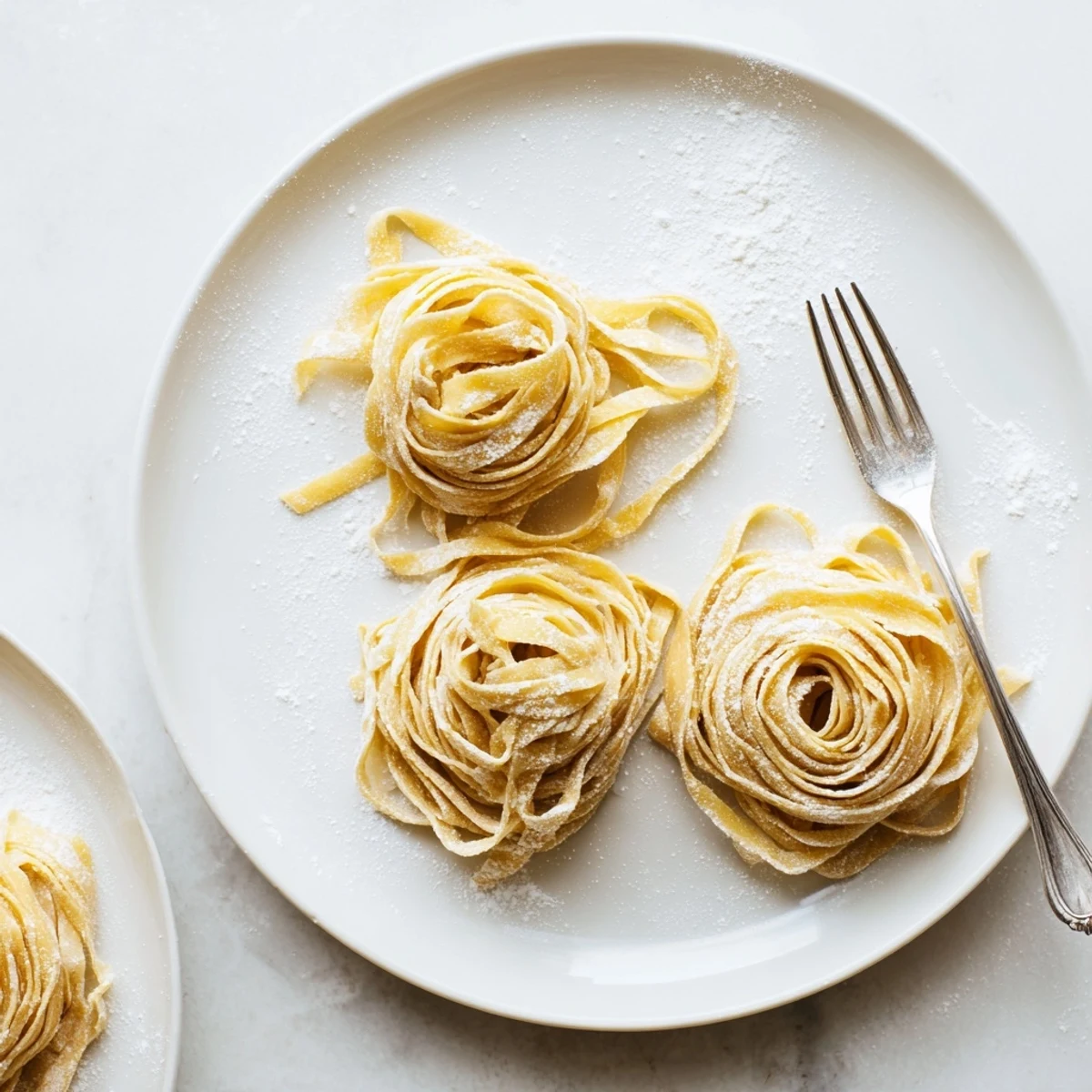
The dough actually benefits from a bit of patience in the refrigerator, developing deeper flavor if made up to 24 hours ahead, just remember to let it come to room temperature before rolling. Dried pasta can be stored on a baking sheet dusted with semolina for up to 2 days, though honestly, it never lasts that long in my house.
Sauce Pairings
The natural tang from the sourdough makes this pasta exceptionally versatile, cutting through rich sauces while holding its own against delicate preparations. I've found it particularly stunning with browned butter and fresh sage, where the slight sourness balances the butter's richness, or with a simple garlic and olive oil sauce that really lets the pasta's flavor shine through.
- Toss fresh herbs directly into the boiling water during the last minute of cooking for an aromatic infusion
- Save a cup of pasta water before draining—the starch helps emulsify sauces and cling to every strand
- Never rinse the pasta after cooking, that precious starch is what makes sauce stick
 Save
Save There is something profoundly satisfying about transforming the simplest ingredients into something that brings people together. I hope this becomes one of those recipes you return to again and again, making little adjustments until it is perfectly yours.
Recipe Questions & Answers
- → What does sourdough add to pasta?
-
Active sourdough starter introduces subtle tanginess and depth while creating a more complex flavor profile. The fermentation process also develops gluten structure, yielding pasta with exceptional chew and texture that holds sauces beautifully.
- → Can I use discard sourdough starter?
-
For best results, use active, bubbly starter that has been fed within 4-8 hours. Discard starter lacks the necessary fermentation activity and may result in denser, less flavorful pasta. The active cultures contribute to both texture and taste development.
- → How thin should I roll the dough?
-
Aim for thickness between 1-2mm for most shapes. Thinner sheets work well for ravioli and lasagna, while slightly thicker cuts suit wider noodles like pappardelle. The dough is forgiving and handles well, so don't worry about perfection.
- → Why does the dough need to rest?
-
The one-hour rest allows gluten strands to relax after kneading, making the dough more pliable and easier to roll thin without snapping. This resting period is essential for achieving smooth, tender pasta that cooks evenly.
- → Can I make this dairy-free?
-
Yes, this pasta contains no dairy. The olive oil listed is optional for added suppleness but can be omitted. The base dough relies on flour, eggs, starter, and salt, making it naturally dairy-free while maintaining excellent texture and flavor.
- → How long does fresh pasta keep?
-
Cut pasta can be dusted with flour and stored refrigerated for up to 24 hours. For longer storage, freeze individual portions on a baking sheet before transferring to freezer bags. Frozen pasta cooks directly from frozen, adding just 1-2 minutes to cooking time.