
 Save
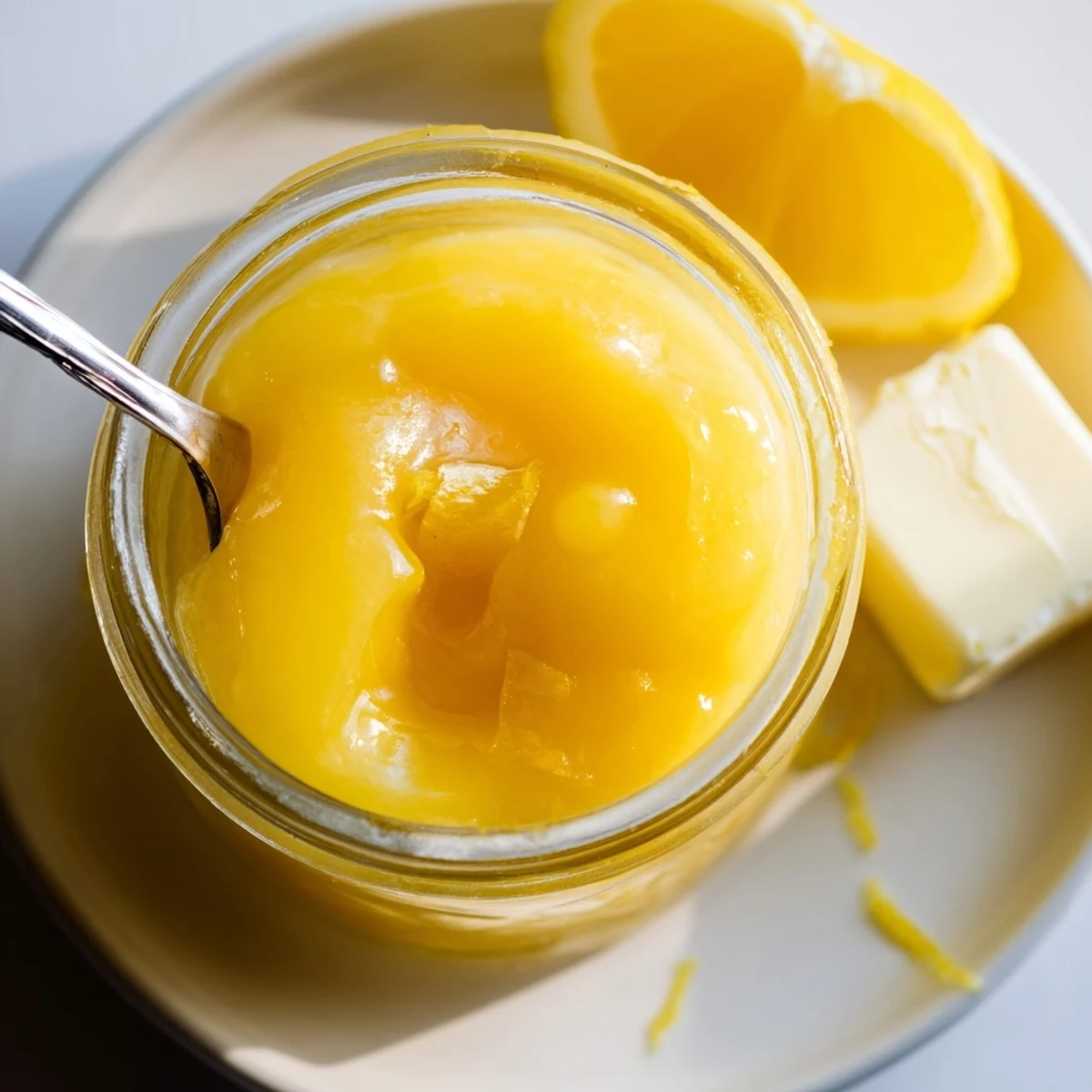
Save Make a silky lemon curd by whisking eggs and sugar, then adding fresh lemon zest and juice. Cook gently over simmering water, whisking constantly for 8–10 minutes until thick enough to coat a spoon. Off heat, beat in cubed butter until smooth, strain for extra silkiness, and cool. Yields about 2 cups; refrigerate up to 2 weeks. For dairy-free, use plant-based butter; chill to thicken.
The unmistakable scent of lemons always seems to lift my spirits, and lemon curd is the fastest route I know to bottling that sunshine. A brisk Saturday morning, the kitchen still cool from the night before, and there I was zesting lemons straight into a mixing bowl. There is something about the snap of zest, the sharp tang on your fingers, and that first taste—golden and alive—that hooks me every time. Lemon curd, I quickly discovered, turns the most ordinary breakfast into a minor celebration.
One spring afternoon, I made this lemon curd as a little extra treat for a friend visiting for tea. She arrived just as the curd was thickening, and we ended up spooning it over scones, laughing at the lemony smudges on our hands. It’s become our ritual ever since, the laughter always as bright as the curd itself.
Ingredients
- Large eggs: Whisked together with sugar, they set into a custard that’s silky-smooth if you don’t rush; room temperature eggs make things creamier.
- Unsalted butter: Cubed and stirred in last, butter gives the curd a rich finish and helps it set; always add it off the heat so it stays glossy.
- Lemons (zest and juice): Freshly zested and juiced, lemons are the soul of curd; I rub the zest into the sugar first to maximize the citrus oils.
- Granulated sugar: Adds sweetness and structure—taste your lemons first and adjust accordingly if they’re very tart.
Instructions
- Bring out your tools:
- Set up a heatproof bowl and a saucepan for a double boiler—it keeps things gentle and prevents scrambling.
- Whisk eggs and sugar:
- Combine eggs and sugar, whisking until the mixture turns pale and slightly thick, a minute or two of steady rhythm.
- Add lemon zest and juice:
- Pour in the zest and juice, letting the scent waft up; stir well so every bit of sugar dissolves.
- Cook gently:
- Place the bowl over barely simmering water, whisking constantly—the curd will slowly thicken, and you’ll see ribbons form after about 8 minutes.
- Finish with butter:
- Off the heat, add butter cubes and whisk until fully melted and the mixture is satiny and smooth.
- Strain and store:
- Push the curd through a fine-mesh sieve into a clean bowl to catch any stray zest or cooked egg, then cool and transfer to jars.
 Save
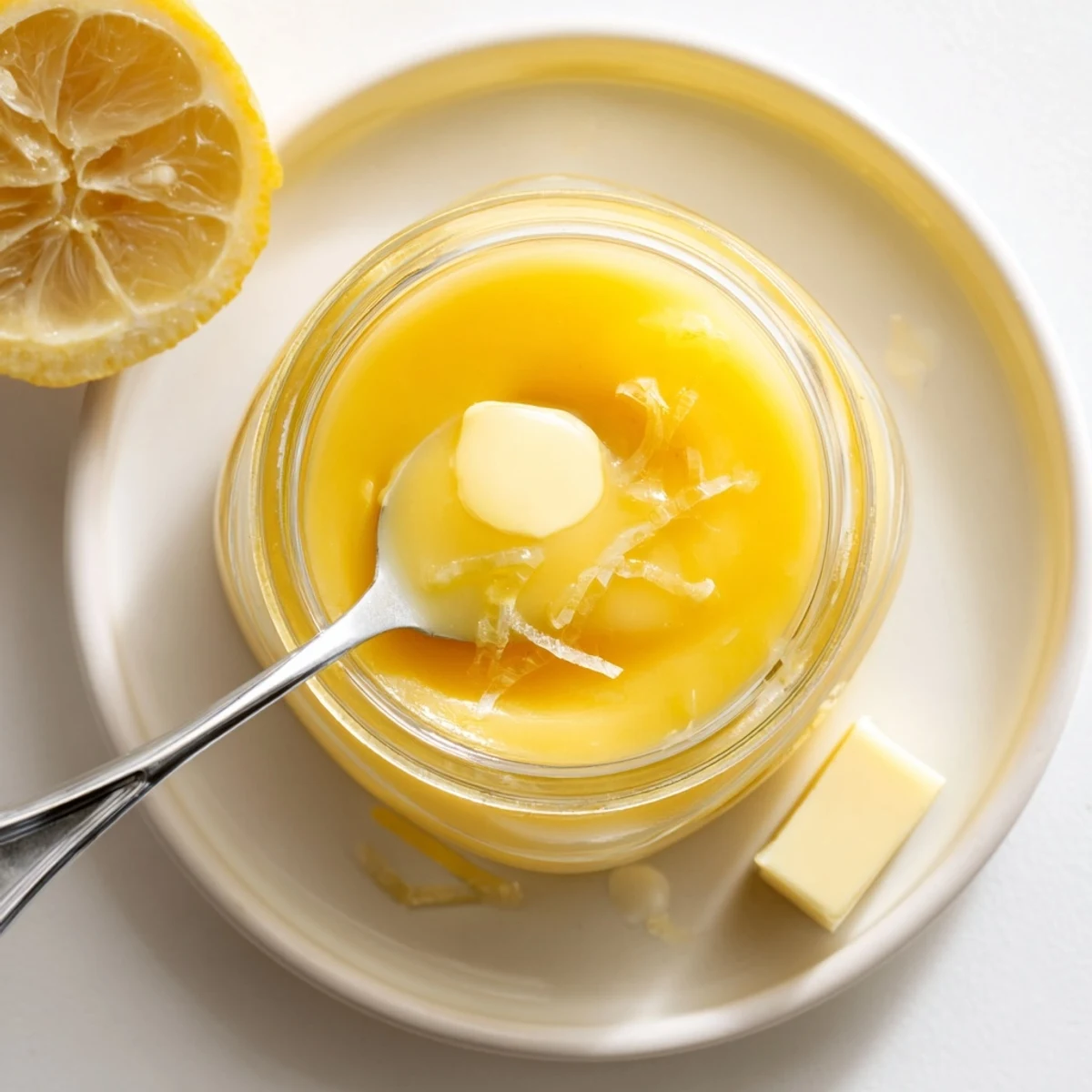
Save The first time I packed this lemon curd into a tiny jar and handed it to a neighbor, her eyes lit up before she’d even unscrewed the lid. That simple gesture—homemade, sun-bright, tangy-sweet—reminded me that cooking can brighten not only our mornings, but someone else’s day.
When Curd Goes Beyond Toast
I used to think lemon curd was just a topping for scones or toast until I caught myself swirling it into yogurt or using it as the surprise center of little tartlets. Whisking leftover curd into whipped cream makes a quick, addictive dessert topping. Honestly, don’t be afraid to get creative with where you spread it.
The Soundtrack of Lemon Curd
One of the best parts—besides eating, of course—is the gentle clinking as you whisk and the soft bubble of water under your bowl. I often turn on a podcast or let the kitchen fill with quiet, letting the simple task work as a reset from a busy day. There’s calm in this recipe if you let it happen.
Hints for a Golden Batch Every Time
Trust your senses: the curd should coat the back of a spoon, and a finger swipe leaves a clean line. Room temperature ingredients keep things smooth, and a good whisk is your best friend from start to finish.
- If your lemons aren’t very juicy, use an extra half lemon.
- Always strain, even if you think you don’t need to.
- Let the curd cool before jarring for a silkier set.
 Save
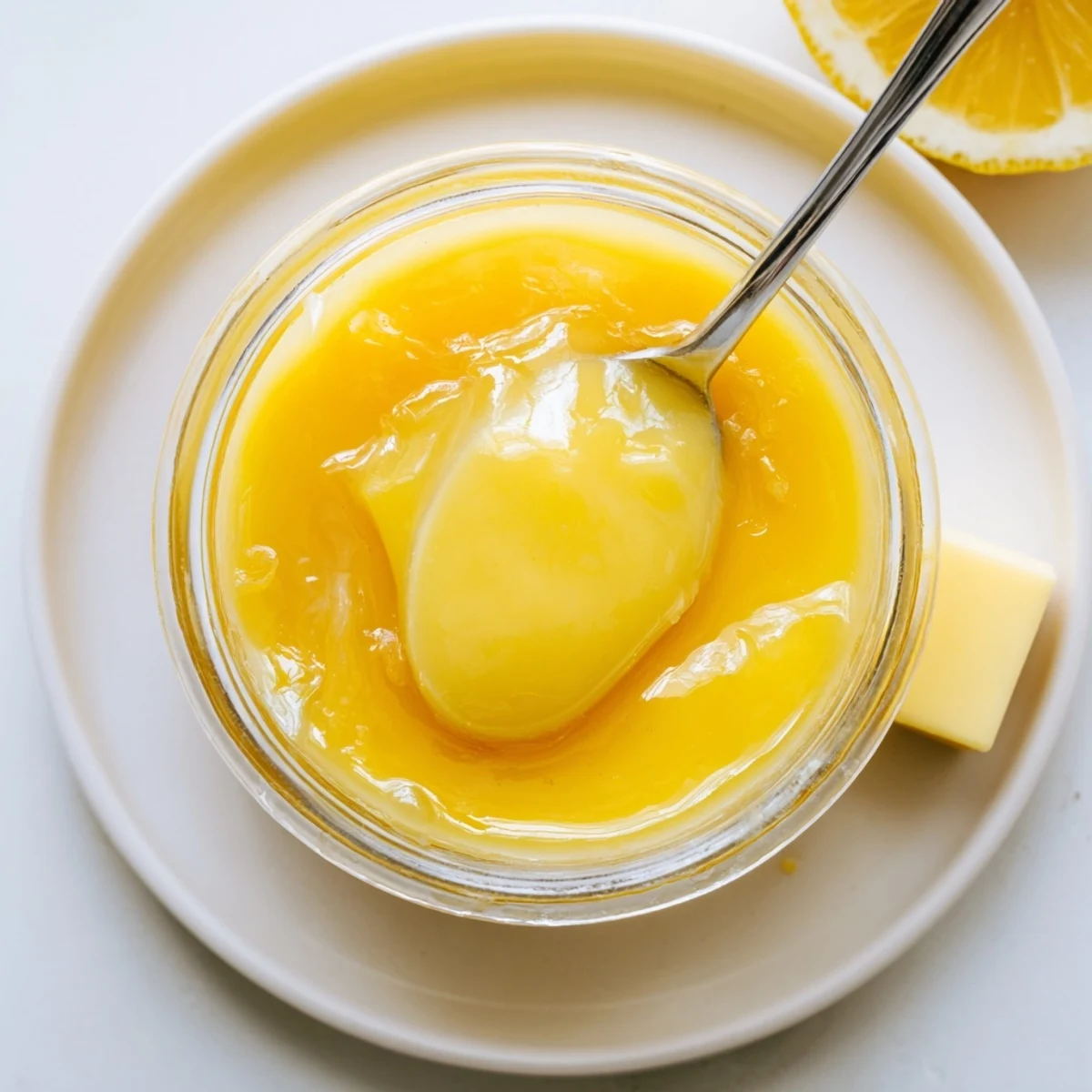
Save There’s just nothing like having a jar of sunshine waiting in the fridge for whenever you need a pick-me-up. I hope you find as many reasons to use this lemon curd as I have.
Recipe Questions & Answers
- → How can I prevent the curd from curdling?
-
Cook gently over a simmer, whisk continuously and keep the bowl's base off direct heat. Remove from heat as soon as it thickens and finish by whisking in cold butter to smooth the texture.
- → Is a double boiler necessary?
-
A double boiler gives the gentlest, most forgiving heat and reduces scrambling risk. If you don’t have one, use the lowest heat and watch closely while whisking constantly.
- → Can I use bottled lemon juice instead of fresh?
-
Fresh lemon juice gives brighter flavor and more zest aroma, but bottled juice can work in a pinch. Adjust sugar slightly if bottled juice tastes less tart.
- → How do I get an extra-smooth curd?
-
Pass the finished curd through a fine-mesh sieve to remove cooked egg bits and zest. For silkier texture, strain twice and cool before transferring to jars.
- → How long will lemon curd keep in the fridge?
-
When cooled and stored in sterilized jars, lemon curd keeps well in the refrigerator for up to two weeks. Always use clean utensils to avoid contamination.
- → Can I make a dairy-free version?
-
Yes—substitute plant-based butter and proceed the same way. The curd will set slightly differently but maintain its tangy, spreadable texture after chilling.