
 Save
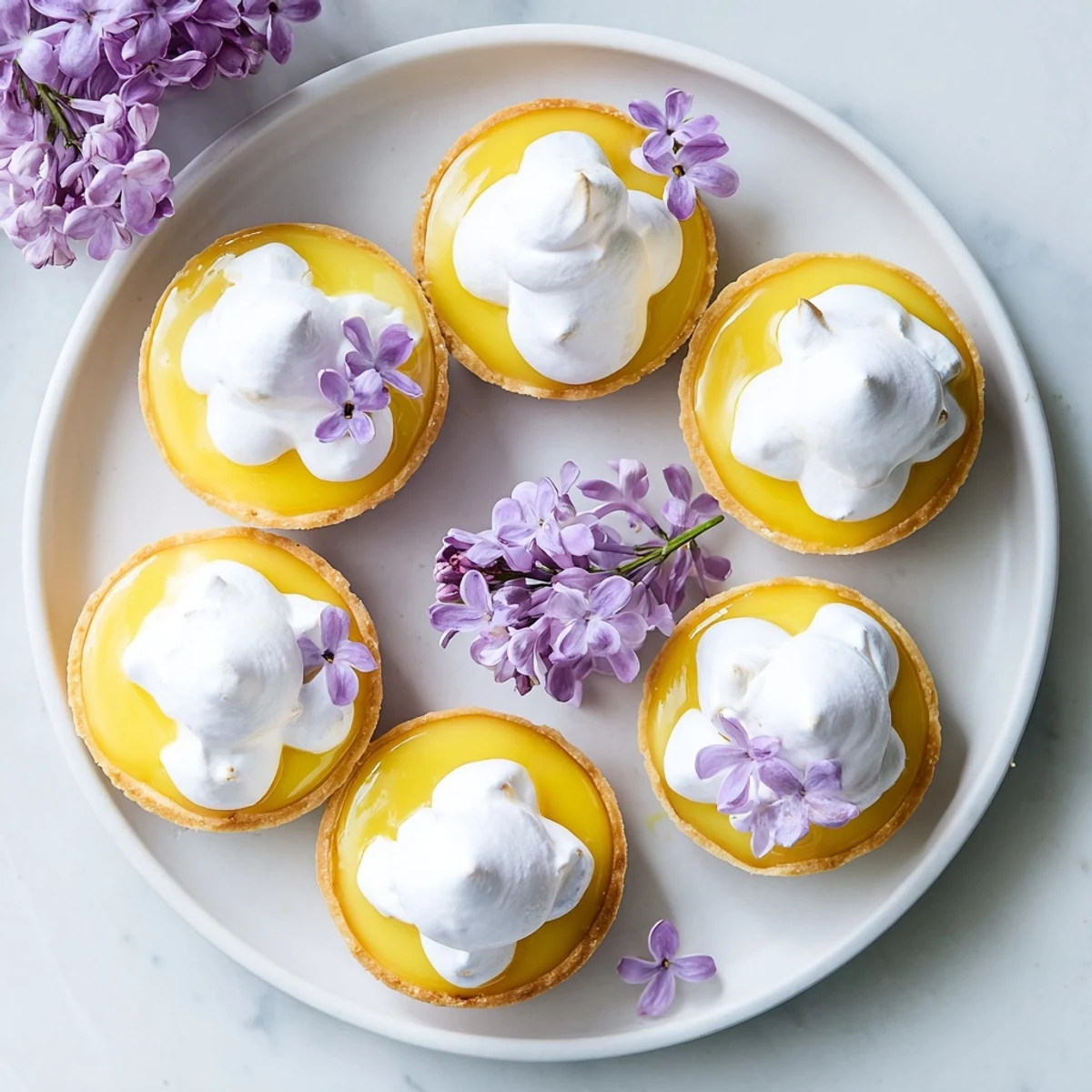
Save These sophisticated mini tarts combine the bright, tangy flavor of fresh lemon curd with the delicate floral notes of lilac-infused meringue. The crisp, buttery pastry shells provide the perfect vessel for this stunning spring dessert. Each bite offers a harmonious balance of sweet and tart, with the ethereal, lightly floral meringue adding a unique twist on the classic lemon tart.
Ideal for spring celebrations, afternoon tea, or as an impressive finish to a dinner party, these individual desserts showcase the beauty of seasonal ingredients. The lilac syrup infuses the meringue with a subtle floral essence that complements rather than overpowers the vibrant lemon filling.
My neighbor's lilac bush overflows into our yard each May, and I'd always admired those purple clusters from a distance. One Sunday afternoon, I found myself wrist-deep in lemon curd, needing something to finish these tiny tarts I'd impulsively decided to make for book club. The scent drifting through the open window made me grab a pair of scissors and snip some blossoms, thinking why not try something wild for once. Everyone went quiet when they bit into that first floral-topped tart, which is exactly the reaction you want when you've taken a creative risk in the kitchen.
Last spring my friend April dropped by unexpectedly while I was torching the meringue tops. She stood in my kitchen doorway watching the sugar brown and bubble, asking if I'd finally lost my mind putting flowers in dessert. We ate two tarts each standing at the counter, barely speaking, just making those happy humming noises that happen when something works better than you imagined it would. Now she asks for these every time lilac season rolls around, and I always make extra just in case.
Ingredients
- All-purpose flour: The foundation for your tart shells, and I've found that weighing it gives the most consistent, tender crust
- Powdered sugar: Dissolves more easily than granulated sugar in the dough, creating a smoother texture that bakes up extra crisp
- Cold butter: Essential for that flaky, melt-in-your-mouth pastry texture—work quickly so it stays cold
- Egg yolk: Adds richness and helps bind the dough while keeping it tender
- Cold water: Just enough to bring the dough together, start with one tablespoon and add only if needed
- Salt: A pinch balances sweetness and enhances all the other flavors
- Eggs and egg yolks: The combination gives the lemon curd its silky, luxurious body and proper setting power
- Granulated sugar: Sweetens the curd while providing structure that helps it set properly
- Fresh lemon juice: Fresh is absolutely crucial here—bottled juice lacks the bright, complex acidity you need
- Lemon zest: Intensely flavored lemon oil in the zest adds aromatic depth that juice alone can't provide
- Butter pieces: Whisked in at the end, this creates that velvety, glossy finish that makes restaurant-quality curd
- Egg whites: Room temperature whites whip up faster and hold more volume for the lightest meringue
- Granulated sugar: Gradual addition creates stable, glossy peaks that hold their shape beautifully
- Cream of tartar: Stabilizes the egg whites, ensuring your meringue won't weep or collapse
- Lilac syrup: Subtle floral magic—make your own by steeping clean blossoms in simple syrup
- Edible lilac blossoms: Optional garnish that makes these absolutely stunning, just be sure they're from an unsprayed source
Instructions
- Prepare your tart shells:
- Preheat your oven to 350°F and get ready to make the happiest smell in the world—buttery pastry baking into golden perfection.
- Mix the dry ingredients:
- Combine flour, powdered sugar, and that pinch of salt in a bowl, giving them a quick whisk to distribute everything evenly.
- Cut in the butter:
- Add cold cubed butter and work it in with your fingers or a pastry cutter until you see coarse crumbs, with some pea-sized pieces still visible—this creates flaky layers.
- Bring the dough together:
- Add egg yolk and one tablespoon of cold water, mixing gently until the dough just holds together when squeezed.
- Shape your tarts:
- Divide dough into six portions and press each into a mini tart pan, trimming edges and pricking bottoms with a fork so they bake evenly.
- Chill and bake:
- Freeze the shells for 10 minutes so they hold their shape, then bake for 15 to 18 minutes until golden and fragrant.
- Start the lemon curd:
- Whisk together eggs, yolks, sugar, lemon juice, zest, and salt in a saucepan until everything is completely combined.
- Cook until thickened:
- Cook over medium-low heat, stirring constantly and scraping the bottom of the pan, until the curd coats the back of a spoon—about 6 to 8 minutes.
- Add the butter:
- Remove from heat and whisk in butter pieces one at a time until the curd is silky smooth and glossy.
- Chill the curd:
- Press plastic wrap directly onto the surface and refrigerate for at least an hour until completely set and cold.
- Fill the tart shells:
- Spoon or pipe the chilled lemon curd into your cooled tart shells, smoothing the tops with an offset spatula or the back of a spoon.
- Begin the meringue:
- In a completely clean bowl, beat egg whites and cream of tartar until soft peaks form and the whites look foamy and opaque.
- Add sugar gradually:
- Slowly rain in the sugar while beating, continuing until you have stiff, glossy peaks that stand up tall when you lift the beaters.
- Infuse with lilac:
- Gently fold in the lilac syrup until just combined—you want those floral notes distributed without knocking out all the air.
- Top your tarts:
- Spoon or pipe the meringue over each tart, creating swoops and peaks that will toast beautifully.
- Toast and garnish:
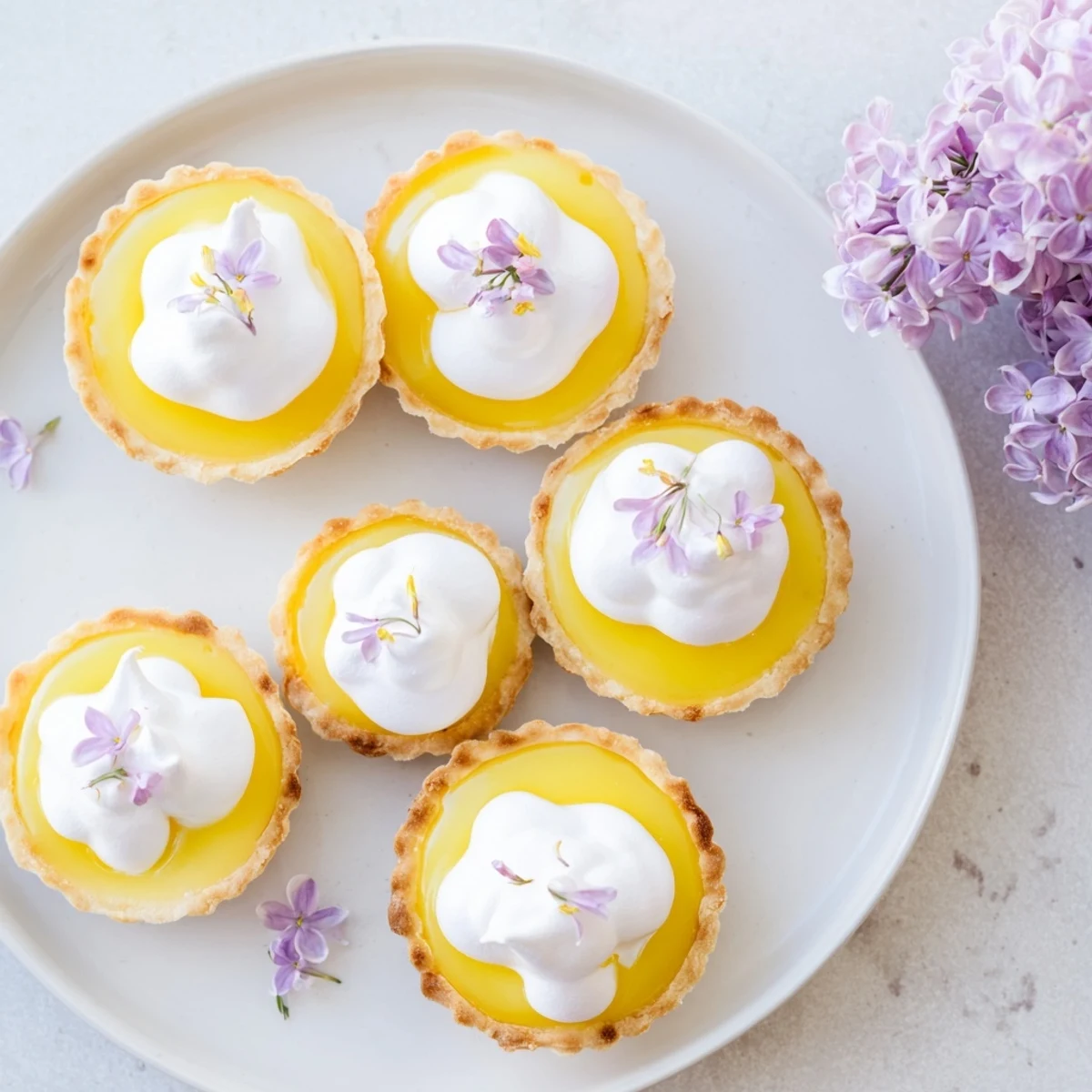
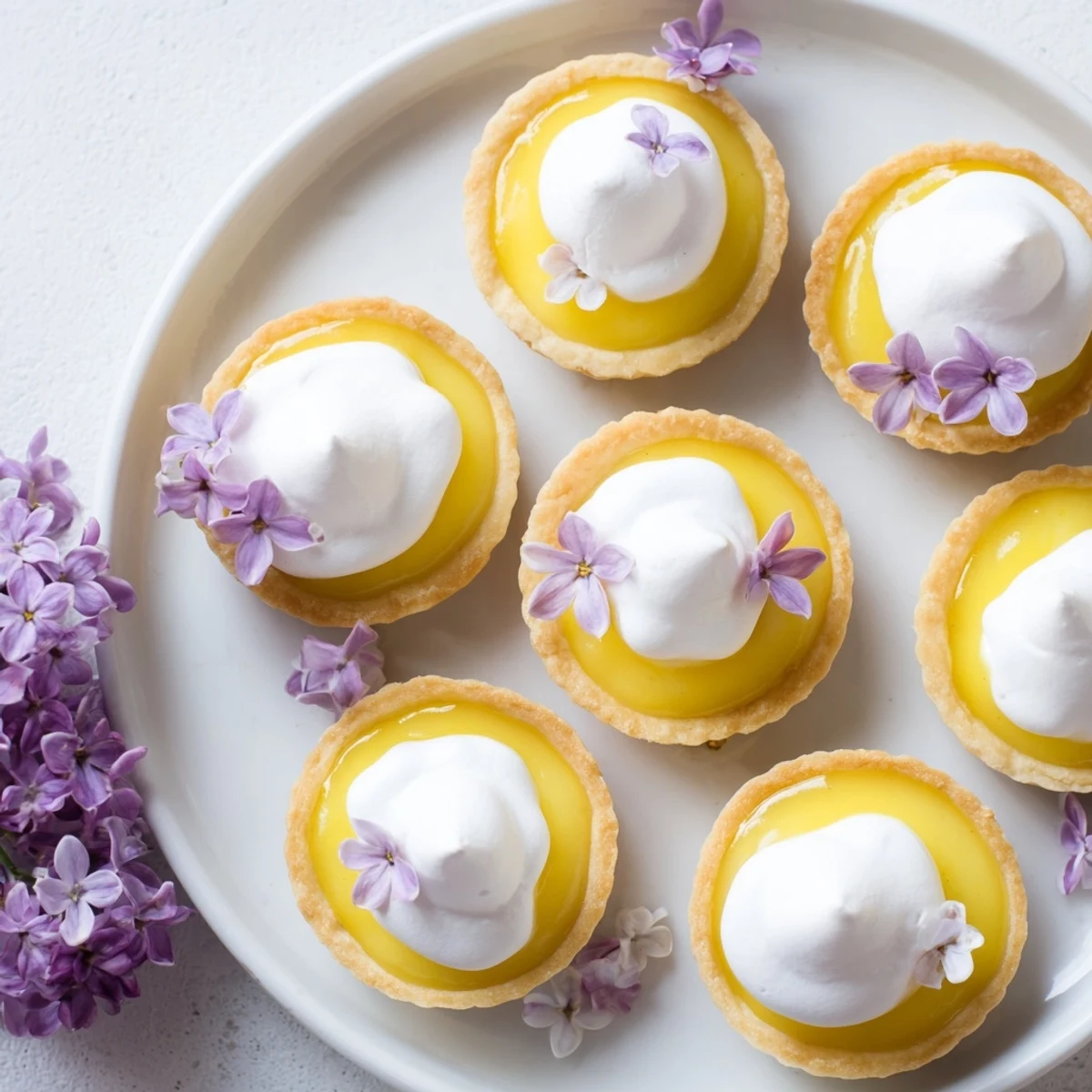
- Use a kitchen torch to lightly brown the meringue tips, then tuck in a few fresh lilac blossoms if you have them.
 Save
Save My daughter now associates these tarts with her birthday, which falls right when lilacs are blooming. She requested them instead of cake this year, and watching her carefully pick off each toasted bit of meringue first before eating the rest made me realize how food memories get made. Some traditions start completely by accident.
Making Your Own Lilac Syrup
If you have access to unsprayed lilac bushes, making the syrup is incredibly simple. Steep about a cup of clean lilac blossoms in equal parts hot water and sugar for an hour, then strain. It keeps in the refrigerator for weeks and is worth having on hand for cocktails and other spring baking projects.
Working With Meringue
The absolute most important rule is that your bowl and beaters must be completely clean and grease-free. Even a tiny bit of fat from butter or egg yolk will prevent the whites from whipping properly. I keep a special bowl designated only for egg whites to avoid any accidental cross-contamination.
Make-Ahead Strategy
You can bake the tart shells and make the lemon curd a full day in advance, which makes these feel much more manageable for entertaining. Store shells at room temperature in an airtight container and keep the curd refrigerated. The only thing that must happen right before serving is whipping the meringue and assembling.
- Warm the curd slightly if it's too cold to spread smoothly
- Have your kitchen torch fuel checked ahead of time
- Set up your garnish station before you start assembling
 Save
Save These tiny tarts capture everything I love about spring baking—impatient anticipation, fleeting beauty, and flavors that exist for just a few weeks each year. Make them while you can.
Recipe Questions & Answers
- → Can I make these tarts ahead of time?
-
The tart shells and lemon curd can be prepared up to one day in advance and stored separately in the refrigerator. However, assemble the tarts and add the meringue just before serving for the best texture and appearance. The meringue can weep or become soft if assembled too early.
- → What can I substitute for lilac syrup?
-
Elderflower syrup makes an excellent alternative, offering a similar delicate floral profile. You can also use food-grade lavender extract sparingly, or omit the floral element entirely for classic lemon meringue tarts. Rose water or orange blossom water would also work beautifully.
- → How do I know when the lemon curd is thick enough?
-
The curd is ready when it coats the back of a wooden spoon and leaves a clear trail when you run your finger through it. It should reach approximately 170°F (77°C) on an instant-read thermometer. Remember it will thicken further as it chills.
- → Do I need a kitchen torch for the meringue?
-
A kitchen torch creates the classic toasted meringue look and adds a subtle toasted marshmallow flavor. If you don't have one, you can place the assembled tarts under a broiler for 30-60 seconds, watching closely to prevent burning. The meringue is also delicious untoasted.
- → Can I use regular-sized tart pans instead of mini?
-
Yes, this recipe works well in one 9-inch tart pan or six 4-inch mini tart pans. If making one large tart, increase the baking time for the shell to 20-25 minutes. The filling amounts remain the same.
- → Are lilac blossoms safe to eat?
-
Only use edible lilac blossoms that have been grown without pesticides or chemicals. Ensure you've correctly identified the plant as common lilac (Syringa vulgaris). If uncertain about the source or variety, omit the garnish or use organic edible flowers from a trusted supplier.