
 Save
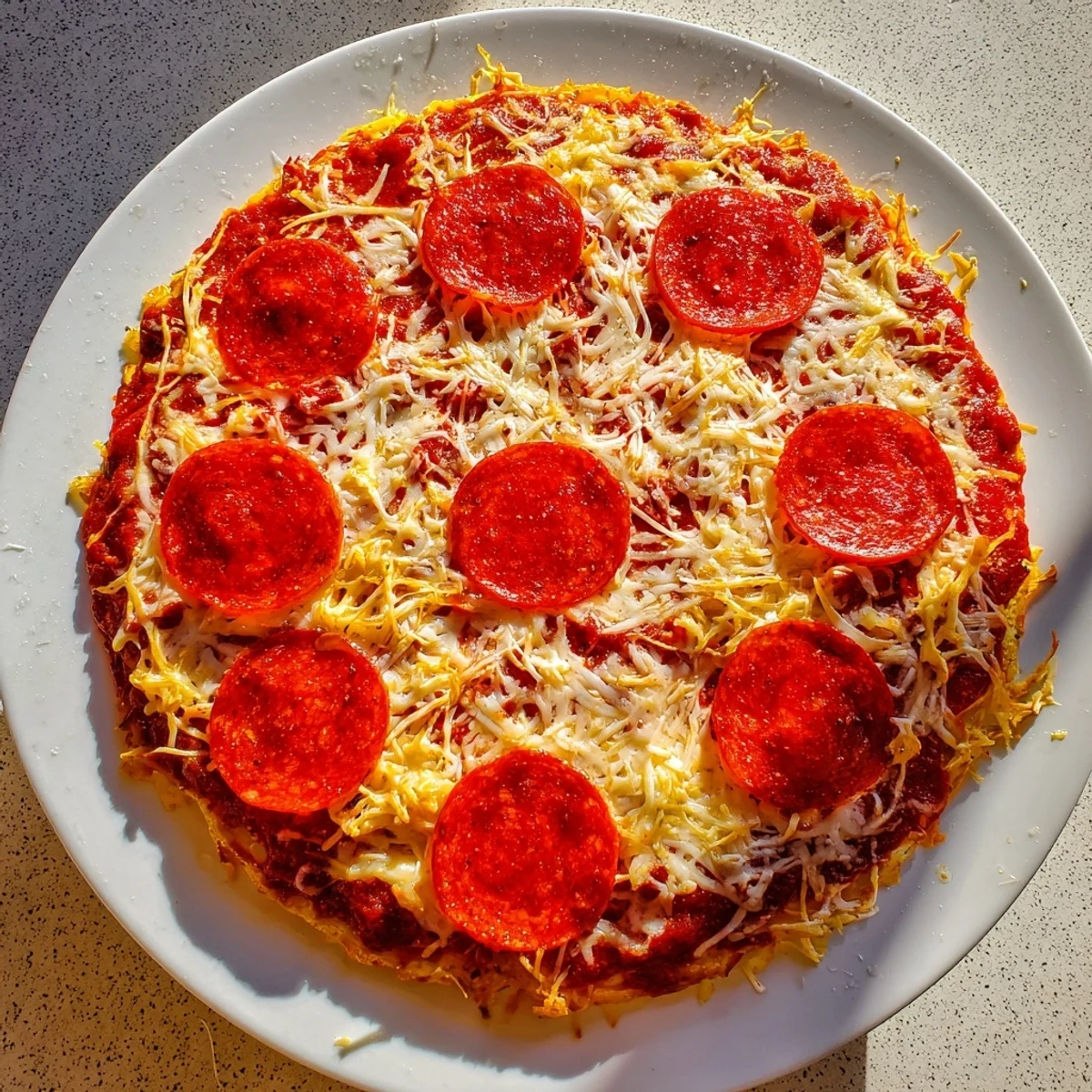
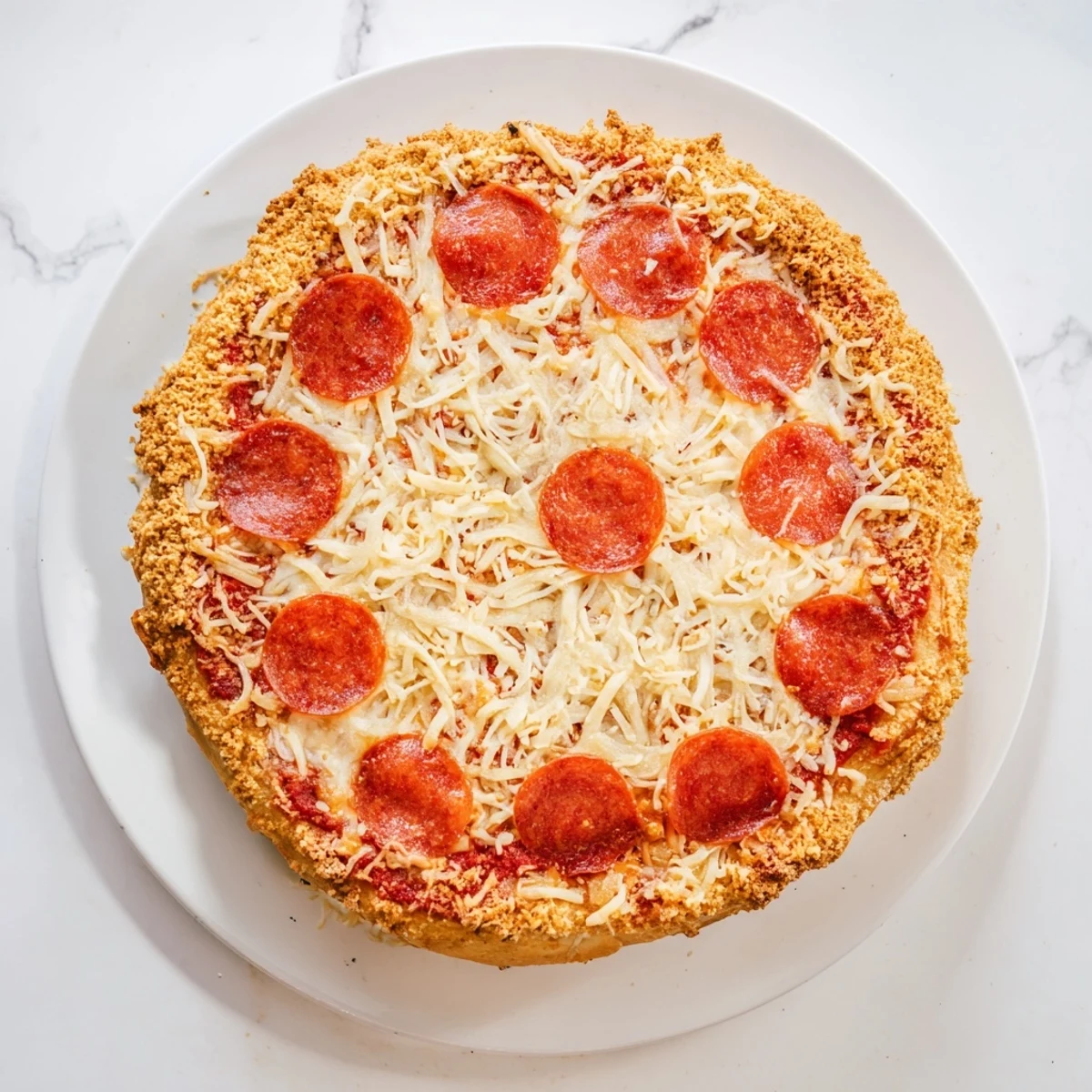
Save Master the art of thick, golden pan pizza with a soft chewy center and irresistibly crispy edges. This American favorite combines a buttery crust with seasoned tomato sauce and generous mozzarella topping. The dough rises for one hour, developing the perfect texture that bakes up beautifully in a 450°F oven. Brushing the pan with butter and olive oil creates that signature crunch, while the simple herb-enhanced sauce delivers classic pizzeria flavor.
The smell of pepperoni and bubbling cheese always pulls me back to Friday nights in middle school, when the cardboard box hit the table and everyone reached for the corner slice. My attempts to recreate that magic at home usually ended with soggy centers or burnt edges until I learned about the butter trick. Now my kitchen actually smells like those takeout memories, except better because I made it myself.
Last winter my neighbor smelled this baking through our shared wall and knocked on my door with a six pack, thinking Id ordered delivery. When I pulled those golden pans out of the oven, his face dropped in the best way possible. Now we make these together every Friday, and honestly, its better than the original.
Ingredients
- All purpose flour: Bread flour gives more chew but regular flour works perfectly for that classic pan pizza texture
- Active dry yeast: Make sure your water feels bathwater warm, not hot, or you will kill the yeast before it can work
- Sugar: Feeds the yeast and helps the crust get those gorgeous golden brown spots in the oven
- Salt: Do not forget this or your pizza will taste like cardboard, no matter how much cheese you add
- Warm water: Temperature matters, too cold and dough will not rise, too hot and yeast dies instantly
- Olive oil: Keeps the dough tender and adds subtle richness to the crust
- Unsalted butter: This is the secret weapon for getting that crispy, almost fried bottom crust
- Canned tomato sauce: Use plain sauce, not pasta sauce, and the dried herbs will transform it completely
- Dried oregano and basil: Dried herbs actually work better here than fresh because they distribute evenly through the sauce
- Garlic and onion powder: Build that familiar pizza flavor base that everyone recognizes immediately
- Shredded mozzarella: Low moisture mozzarella melts better without making your pizza soggy
- Pepperoni or toppings: Pepperoni cups up beautifully in the high heat of a pan pizza
Instructions
- Wake up the yeast:
- Stir sugar and yeast into warm water and watch for foam, which tells you the yeast is alive and working
- Mix the dough base:
- Combine flour and salt in a large bowl, then pour in the yeast mixture and olive oil until a rough, shaggy dough forms
- Knead until smooth:
- Work the dough on a floured surface for 7 to 8 minutes, feeling it transform from sticky to smooth and elastic
- Let it rise:
- Place dough in an oiled bowl, cover, and let it double in size in a warm spot for about an hour
- Prepare the pans:
- Generously grease two 9 inch round cake pans with softened butter, then add a splash of olive oil for extra crispness
- Shape the crusts:
- Divide dough in half and press each portion into the prepared pans, pushing dough slightly up the sides
- Rest again:
- Cover the pans and let the dough relax for 10 to 15 minutes, which prevents shrinking in the oven
- Crank the heat:
- Preheat your oven to 450 degrees because pan pizza needs serious heat to get that golden bottom crust
- Mix the sauce:
- Whisk together tomato sauce with oregano, basil, garlic powder, onion powder, sugar, salt and pepper
- Build your pizzas:
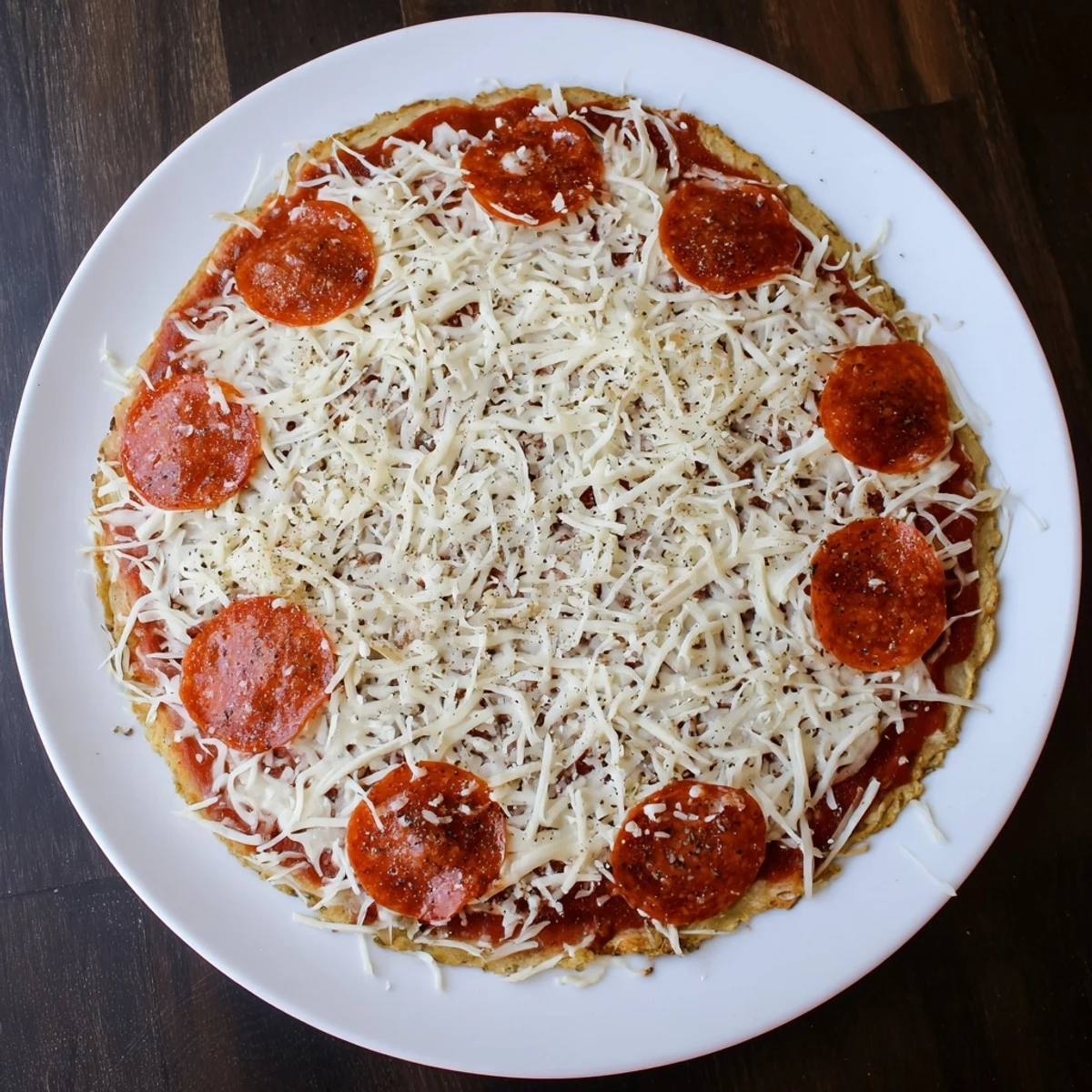
- Spread sauce on each crust, top with mozzarella, add your toppings, and brush the crust edges with olive oil
- Bake until golden:
- Bake for 20 to 25 minutes until the crust is deeply golden and the cheese is bubbling with those gorgeous brown spots
- Rest and slice:
- Let the pizzas cool for just a few minutes so the cheese sets slightly, then slice and serve while hot
 Save
Save My dad took one bite of this and immediately asked what delivery place I had discovered, because he refused to believe I made it myself. Watching him go back for that third slice, then a fourth, was the moment I knew this recipe was a permanent part of our family rotation.
Making It Ahead
Letting the dough rise slowly in the fridge overnight develops incredible flavor and makes the crust even better. I mix it up before bed, let it do its thing in the refrigerator, then bring it to room temperature while the oven preheats the next day.
Pan Choices Matter
Those 9 inch cake pans are perfect for that thick, edge to edge topping coverage that defines pan pizza. Dark metal pans brown the crust faster, so watch your first batch carefully and adjust the time if needed.
Topping Strategy
Less sauce and cheese than you think is actually the secret to pan pizza that is not soggy in the middle. The toppings will spread out as everything bakes, so resist the urge to overload the crust.
- Pre cook watery vegetables like mushrooms or peppers so they do not release moisture onto the pizza
- Slice pepperoni thin so those little cups can crisp up and hold their flavor
- Add delicate fresh herbs like basil after baking so they stay bright and do not burn
 Save
Save There is something deeply satisfying about pulling that golden, bubbling pan out of the oven, knowing you made something that tastes even better than delivery.
Recipe Questions & Answers
- → What makes the crust crispy?
-
Butter and olive oil brushed in the pan before baking creates the signature crispy bottom crust, while the high oven temperature of 450°F ensures golden brown edges and perfectly melted cheese.
- → Can I let the dough rise overnight?
-
Yes, refrigerating the dough overnight for a slow rise develops more complex flavors and improves texture. Bring to room temperature before pressing into pans.
- → Why use cake pans instead of pizza pans?
-
Cake pans with straight sides create the thick, raised edge characteristic of pan pizza. The depth allows for substantial dough while the metal conducts heat evenly for consistent baking.
- → What toppings work best?
-
Pepperoni, mushrooms, bell peppers, onions, or sausage complement this thick crust beautifully. The sturdy base supports generous toppings without becoming soggy.
- → How do I know when it's done?
-
The crust should be deep golden brown and the cheese bubbly with lightly browned spots. The edges will pull away slightly from the pan sides when fully baked.