
 Save
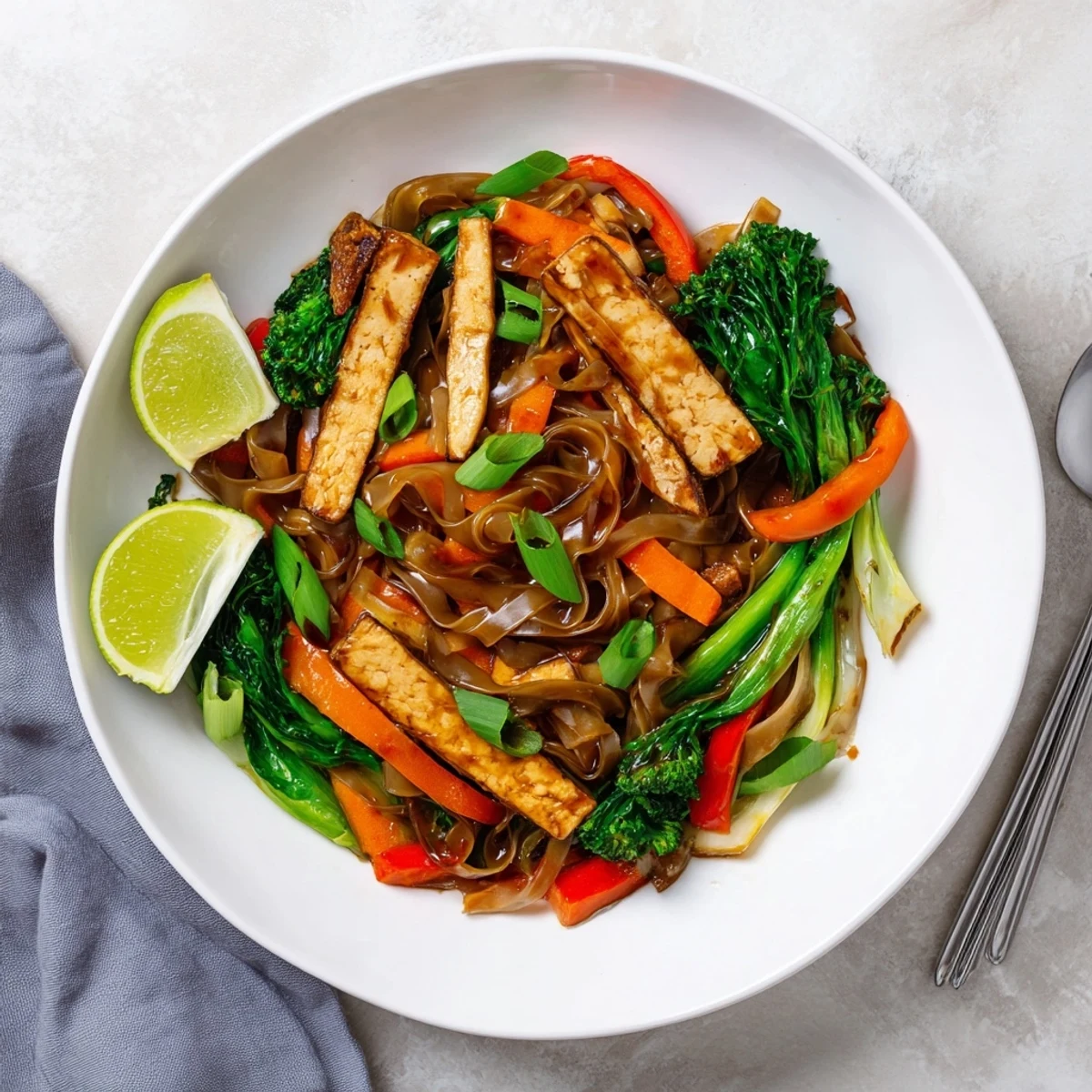
Save This classic Thai street food features wide rice noodles wok-seared with crisp-tender Chinese broccoli, colorful bell peppers, and julienned carrots. Protein-rich firm tofu adds substance while the homemade sauce blend of light and dark soy sauces creates that signature salty-sweet depth. The dish comes together quickly, making it perfect for weeknight dinners when you crave restaurant-quality flavors at home.
Standing in my tiny apartment kitchen in college, I finally attempted to recreate that incredible pad see ew from the Thai spot downtown. The wok my roommate brought back from her travels was smoking slightly, the air thick with garlic and anticipation. My first attempt stuck to the pan in a glorious mess, but the flavor was unmistakably right.
Last Tuesday my friend Mei came over exhausted from a 12 hour shift at the hospital. I made this while she curled up on the couch, and watching her eyes light up at the first bite reminded me why I love cooking for people. The noodles were perfectly chewy, the sauce coating every strand like a warm embrace.
Ingredients
- Light soy sauce: Provides the essential salty base note that balances the sweet elements
- Dark soy sauce: Adds that gorgeous mahogany color and rich caramel depth
- Vegan oyster sauce: The secret umami bomb that makes it taste restaurant worthy
- Fresh wide rice noodles: The heart of the dish, seek out fresh at Asian markets for best texture
- Firm tofu: Press it first for golden edges that hold their shape in the wok
- Chinese broccoli: Stems offer crunch while leaves wilt beautifully into the noodles
Instructions
- Whisk your sauce first:
- Combine both soy sauces, vegan oyster sauce, sugar, rice vinegar and water in a small bowl until sugar dissolves completely
- Prep the noodles:
- Cook according to package directions, drain immediately and toss with a teaspoon of oil to keep them from clumping
- Heat your wok:
- Get the oil smoking hot over medium high heat, add minced garlic and let it sizzle for just 20 seconds until fragrant
- Crisp the tofu:
- Add tofu strips and let them develop golden spots, about 2 to 3 minutes without stirring too much
- Add hearty vegetables:
- Toss in broccoli stems, carrots and bell peppers, stir frying until they are crisp tender
- Combine everything:
- Pour in noodles and sauce, tossing gently with two spoons to coat without breaking the noodles
- Finish with greens:
- Add the broccoli leaves last and toss until just wilted, about 1 minute
- Serve it up:
- Plate immediately while the noodles are steaming hot, topped with fresh green onions and those optional lime wedges
 Save
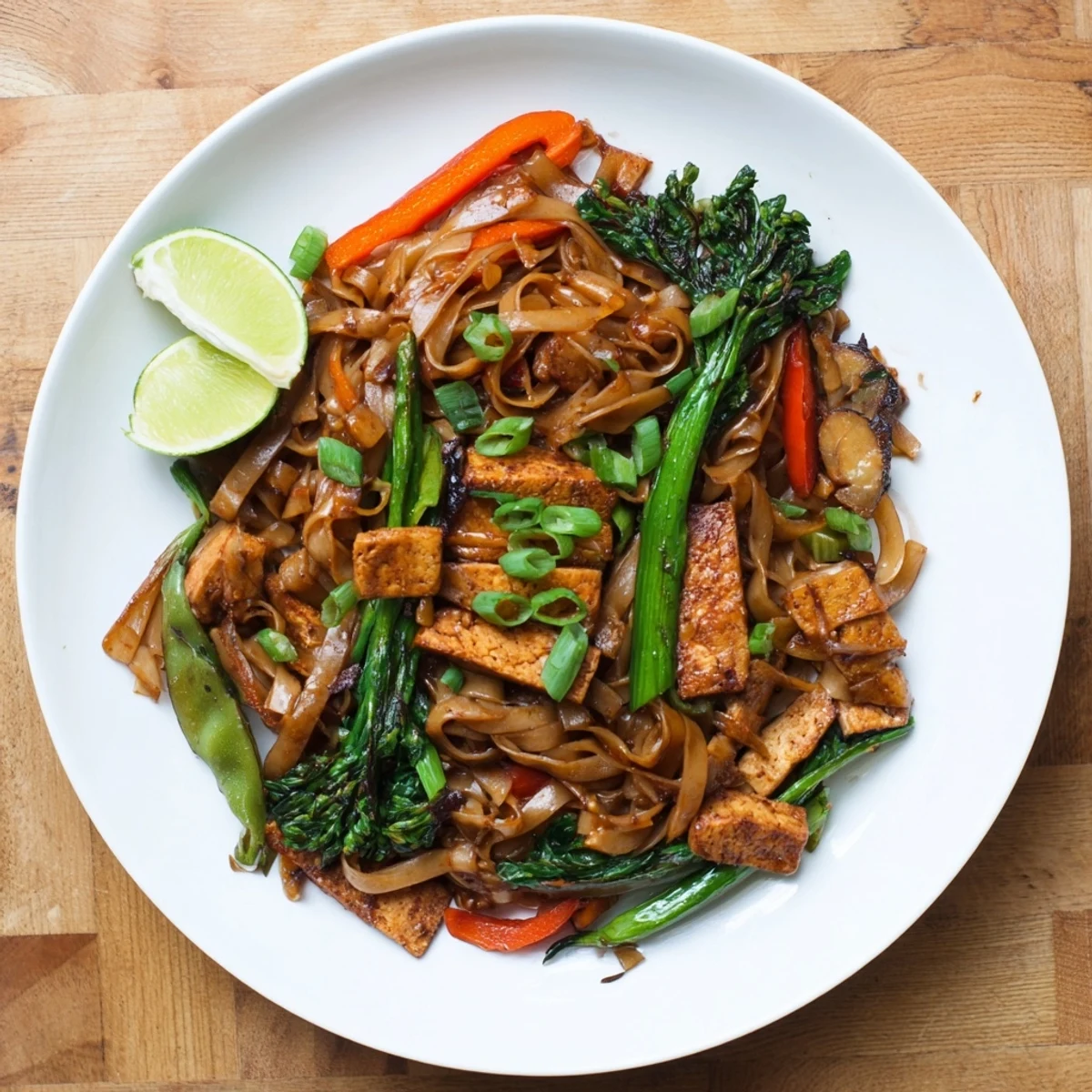
Save This recipe has become my go to for busy weeknights when comfort food is non negotiable. Something about those chewy noodles and savory sauce makes even the most exhausting day feel manageable.
Getting That Wok Hei Flavor
The Chinese call it wok hei, the breath of the wok, and achieving it at home is entirely possible. Let your noodles develop slight char spots in the pan before tossing with the sauce. This is where restaurant quality happens.
Noodle Selection Matters
Fresh wide rice noodles found in the refrigerated section of Asian markets are worth seeking out. They have a springy, chewy texture that dried versions simply cannot replicate. If you must use dried, soak them just until pliable.
Building Your Perfect Bowl
Think about the interplay of textures in each bite. Crunch from the vegetables, chew from the noodles, creaminess from the tofu. A squeeze of fresh lime right before eating cuts through the richness.
- Prep all ingredients before turning on the stove, stir frying goes fast
- Keep your heat high and your movements confident when tossing
- Have plates ready because this dish is best enjoyed piping hot
 Save
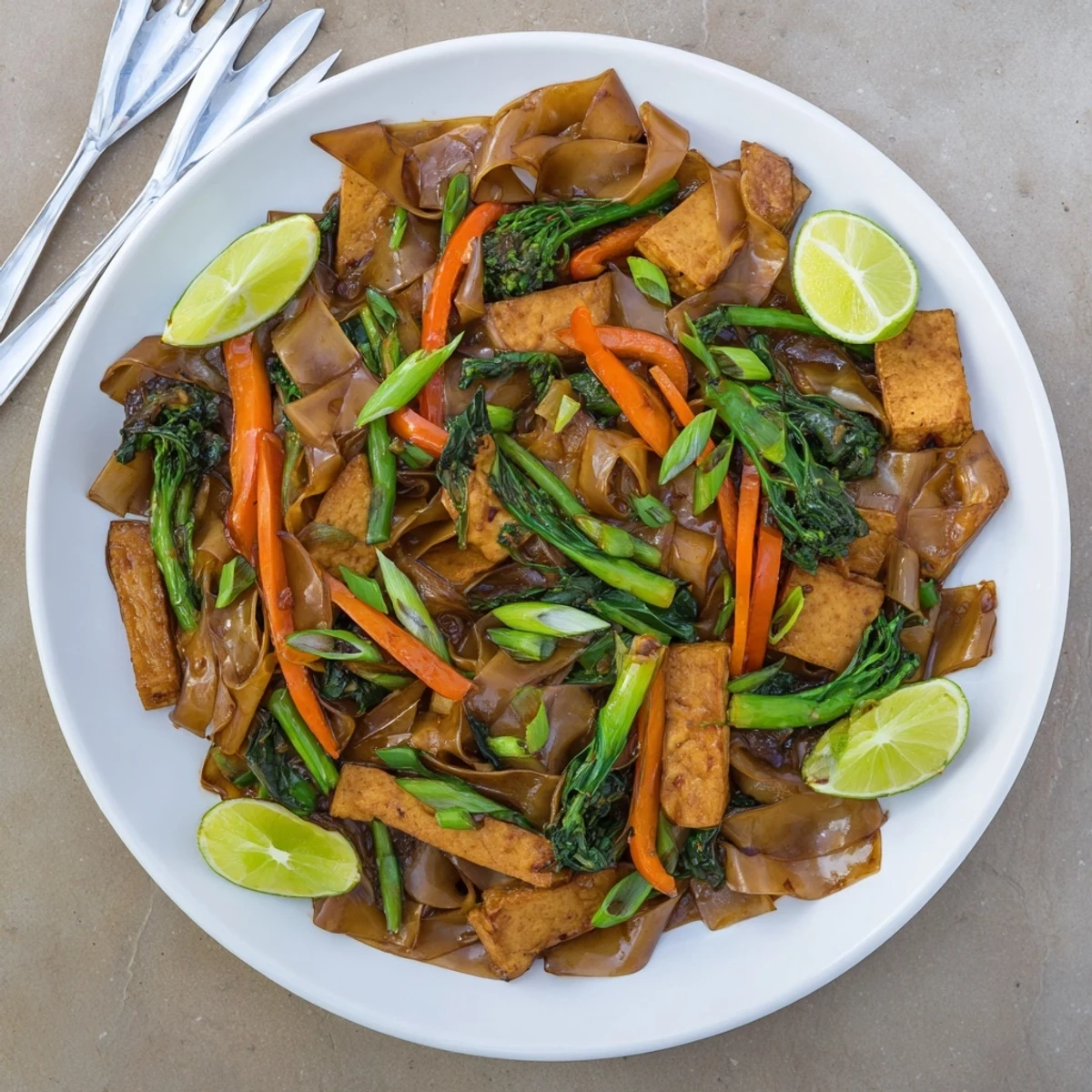
Save There is something profoundly satisfying about a steaming bowl of noodles eaten standing up in the kitchen. This recipe brings that Thai street energy right to your home.
Recipe Questions & Answers
- → What makes Pad See Ew different from other Thai noodle dishes?
-
Pad See Ew stands out for its wide, flat rice noodles and distinctive sauce made from both light and dark soy sauces. The dark soy sauce gives the noodles their characteristic rich color and caramel-like sweetness, while the wide rice noodles provide a satisfying chewy texture that absorbs flavors beautifully.
- → Can I use other types of noodles if I can't find wide rice noodles?
-
While wide rice noodles are traditional, you can substitute with fresh rice stick noodles or even linguine in a pinch. However, the wide noodles' thickness and chewy texture are essential to the authentic experience, so seek them out at Asian markets for the best results.
- → How do I prevent the noodles from sticking together during cooking?
-
Toss freshly cooked noodles with a small amount of oil immediately after draining. Keep them moving in the wok and add them to your sauce mixture quickly. If they begin to clump, splash in small amounts of water or additional sauce to loosen them while stir-frying.
- → What vegetables work best in this dish?
-
Chinese broccoli (gai lan) is the traditional choice, offering a pleasant bitterness that balances the sweet sauce. Broccolini, regular broccoli, bok choy, or snap peas make excellent substitutes. Add hearty vegetables first, then quick-cooking greens near the end.
- → Is this dish naturally gluten-free?
-
The base ingredients are naturally gluten-free, but traditional soy sauce contains wheat. Use certified gluten-free soy sauce or tamari to make this dish completely gluten-free. Always check labels on vegan oyster sauce substitutes as well, as some contain wheat-based thickeners.
- → How can I add more protein to this dish?
-
Beyond tofu, consider adding edamame, chopped cashews, or seitan strips. For a non-vegan variation, sliced chicken, beef, or shrimp work beautifully with these flavors. The stir-fry method cooks proteins quickly while keeping them tender.