
 Save
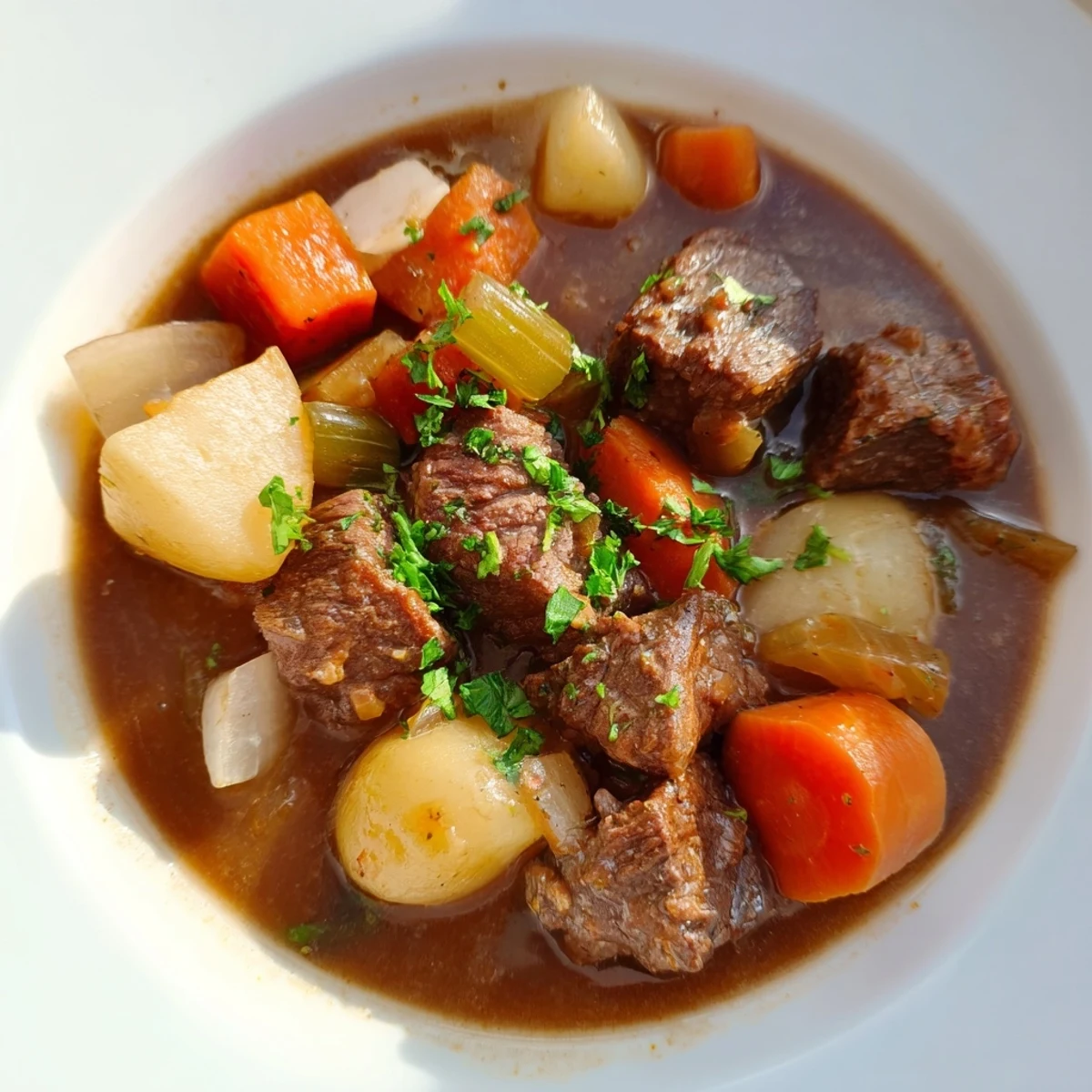
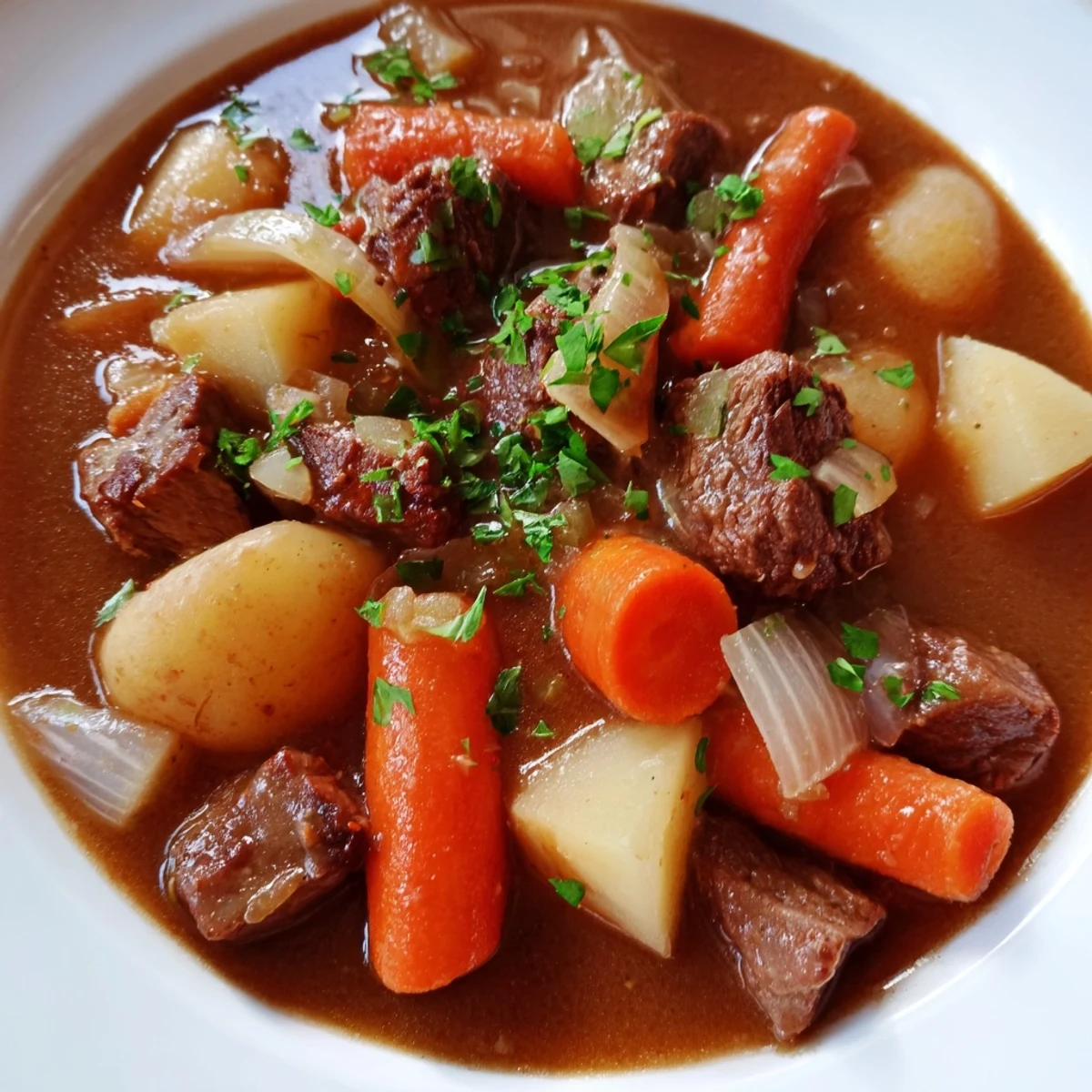
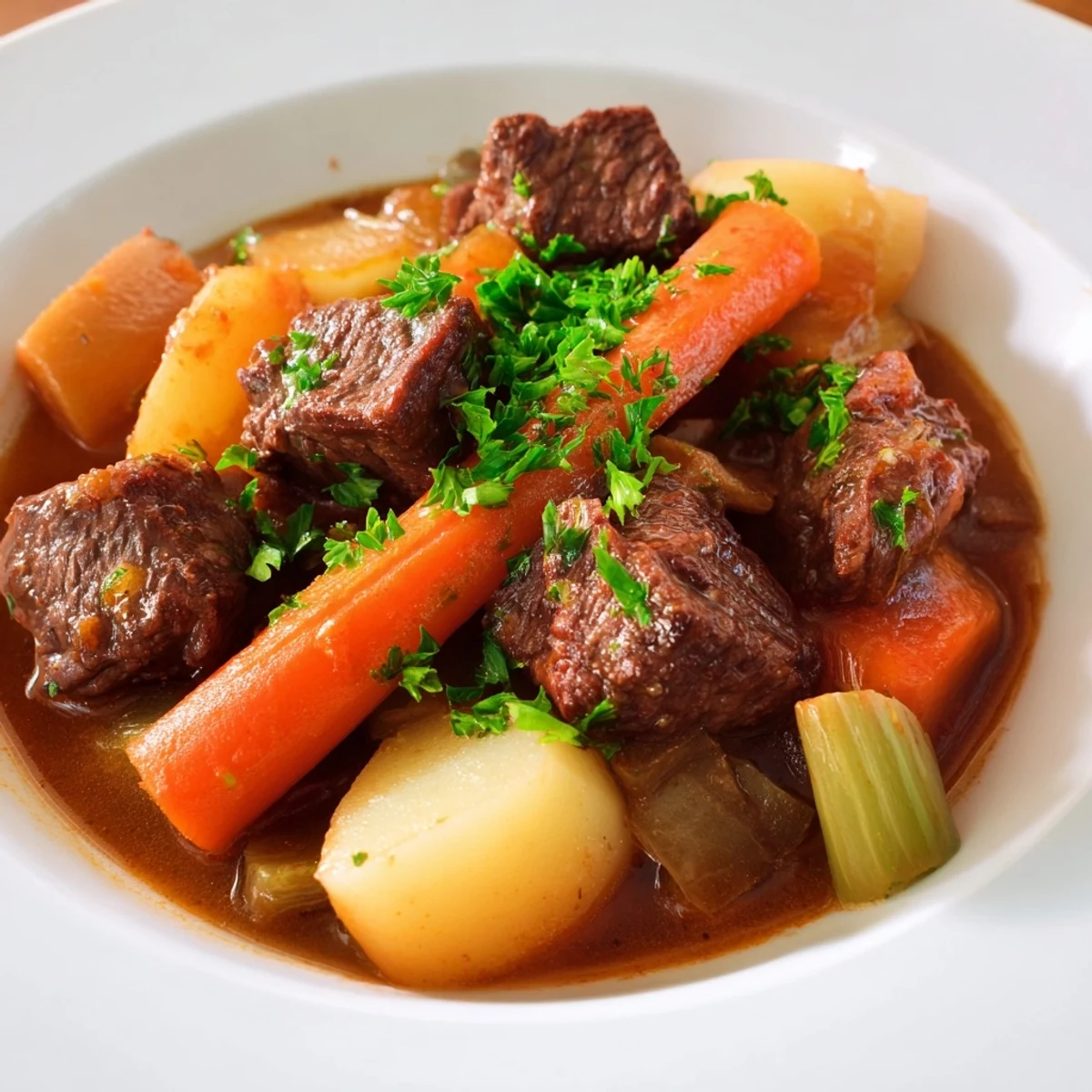
Save This hearty Irish stew blends tender beef chuck with a medley of root vegetables including carrots, parsnips, and potatoes, all simmered slowly in a savory beef stock enriched with herbs like thyme and bay leaves. The optional addition of Guinness stout deepens the flavor, while tomato paste adds subtle richness. The stew is gently thickened to a perfect consistency, offering a warm, satisfying meal ideal for chilly days. Fresh parsley garnish adds a bright finish to this classic, gluten-free adaptable dish.
The rain was hammering against my kitchen window last February when I decided this beef stew needed to happen. Something about that gray, relentless Irish-style weather just calls out for slow-cooked comfort and the smell of braising meat filling up the whole house. My neighbor Liam had dropped off some Guinness earlier in the week, and I figured it was time to put it to proper use instead of just drinking it while watching cooking shows.
I served this to my family on a Sunday when everyone was slightly grumpy about the weather and their various weeks ahead. By the time we sat down with steaming bowls, the whole mood had shifted. My sister actually said, 'I forgot how happy a good stew can make me,' which felt like the highest compliment possible.
Ingredients
- Beef chuck: This cut has the perfect marbling for long cooking and becomes meltingly tender
- Carrots and parsnips: Root vegetables add natural sweetness that balances the rich broth
- Potatoes: They thicken the stew naturally and become little flavor bombs themselves
- Onion, celery, and garlic: The aromatic foundation that builds layers of savory depth
- Beef stock: Use a good quality stock since it becomes the backbone of flavor
- Guinness stout: Optional but worth it for that extra richness and slight bitterness
- Tomato paste: Adds color and a concentrated savory note
- Bay leaves and thyme: Classic herbs that never steer you wrong with slow-cooked meats
- Cornstarch slurry: Optional thickener if you prefer a more gravy-like consistency
- Fresh parsley: Brightens everything up at the end like a little fresh promise
Instructions
- Prep your meat:
- Pat those beef cubes completely dry with paper towels and season generously with salt and pepper. This simple step creates better browning which equals deeper flavor.
- Brown the beef:
- Heat oil in your Dutch oven over medium-high heat and brown beef in batches without overcrowding. Each piece should develop a nice dark crust on at least two sides.
- Build your base:
- In the same pot, cook onion, garlic, and celery for 4-5 minutes until softened and fragrant. Stir in the tomato paste and let it cook for about a minute to deepen its flavor.
- Start the simmer:
- Return beef to the pot, pour in stock and Guinness if using, then add bay leaves and thyme. Bring everything to a boil before reducing heat to a gentle simmer.
- First hour of cooking:
- Cover and let it simmer slowly for an hour, giving the beef time to become tender. Check occasionally to make sure its maintaining a gentle bubble.
- Add vegetables:
- Stir in carrots, parsnips, and potatoes, then cover again and simmer for 45 minutes to an hour longer. You want everything fork-tender but not falling apart completely.
- Thicken if desired:
- If you prefer a thicker stew, stir in your cornstarch slurry and simmer uncovered for 5-10 minutes. The broth will transform into something more gravy-like and substantial.
- Finish and serve:
- Discard the bay leaves and woody thyme sprigs, taste everything, and adjust seasoning as needed. Serve hot with fresh parsley scattered on top like little green confetti.
 Save
Save This stew has become my go-to for rainy Sundays and times when people need feeding without any fuss. Something about it just says home, no matter where you actually are.
Making It Your Own
Ive found that adding a handful of pearl onions about 30 minutes before finishing makes everything feel a bit more elegant. Sometimes I throw in some frozen peas during the last ten minutes for pops of bright green and sweetness that surprise everyone.
What To Serve Alongside
Crusty bread is non-negotiable for sopping up every drop of that precious broth. A simple green salad with sharp vinaigrette cuts through the richness, and mashed potatoes underneath turn the whole thing into proper comfort food territory.
Getting Ahead and Storage
This stew was practically invented for making ahead since the flavors deepen and everything settles into something even more harmonious after a night in the refrigerator. The fat will rise and solidify on top, making it easy to remove if you prefer a lighter dish.
- Cool completely before refrigerating and store in an airtight container for up to four days
- Freeze portions in freezer-safe containers for those nights when cooking feels impossible
- Reheat gently over low heat, adding a splash of water or stock if it seems too thick
 Save
Save There is something profoundly satisfying about a stew that takes care of itself while you go about your day. This one never lets me down.
Recipe Questions & Answers
- → What cut of beef is best for this stew?
-
Beef chuck cut into 1-inch cubes works best due to its marbling, which becomes tender and flavorful after slow cooking.
- → Can I substitute lamb for the beef?
-
Yes, lamb is a traditional alternative that adds a unique richness. Adjust cooking times as lamb may cook slightly differently.
- → Is it necessary to use Guinness stout?
-
Guinness adds depth and a slight bitterness, enhancing flavor, but it can be omitted or replaced with extra stock if preferred or to keep the dish gluten-free.
- → How can I thicken the stew properly?
-
Stir in a cornstarch slurry made of cornstarch and cold water near the end of cooking and simmer until desired thickness is reached.
- → What sides pair well with this hearty dish?
-
Crusty bread or creamy mashed potatoes complement the stew well, soaking up the rich broth and enhancing the overall meal.
- → Are there any allergens to be aware of?
-
This dish contains celery and may contain gluten and sulphites, depending on stock and stout choices. Check labels if allergies are a concern.