
 Save
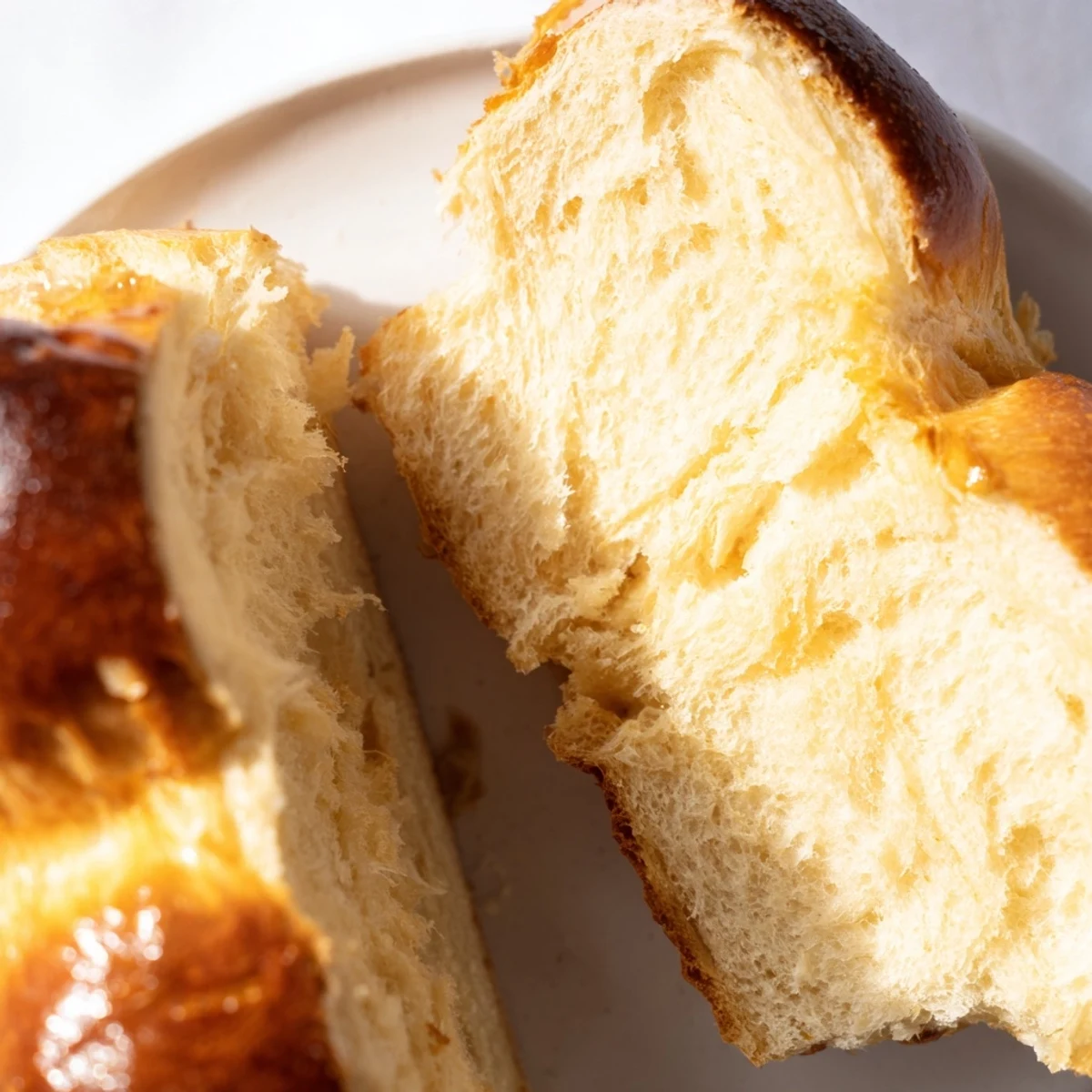
Save Create this classic French brioche using milk and butter for an incredibly tender, golden bread. The dough requires two rises and careful kneading to develop its signature texture. Perfect for serving toasted with jam or as French toast.
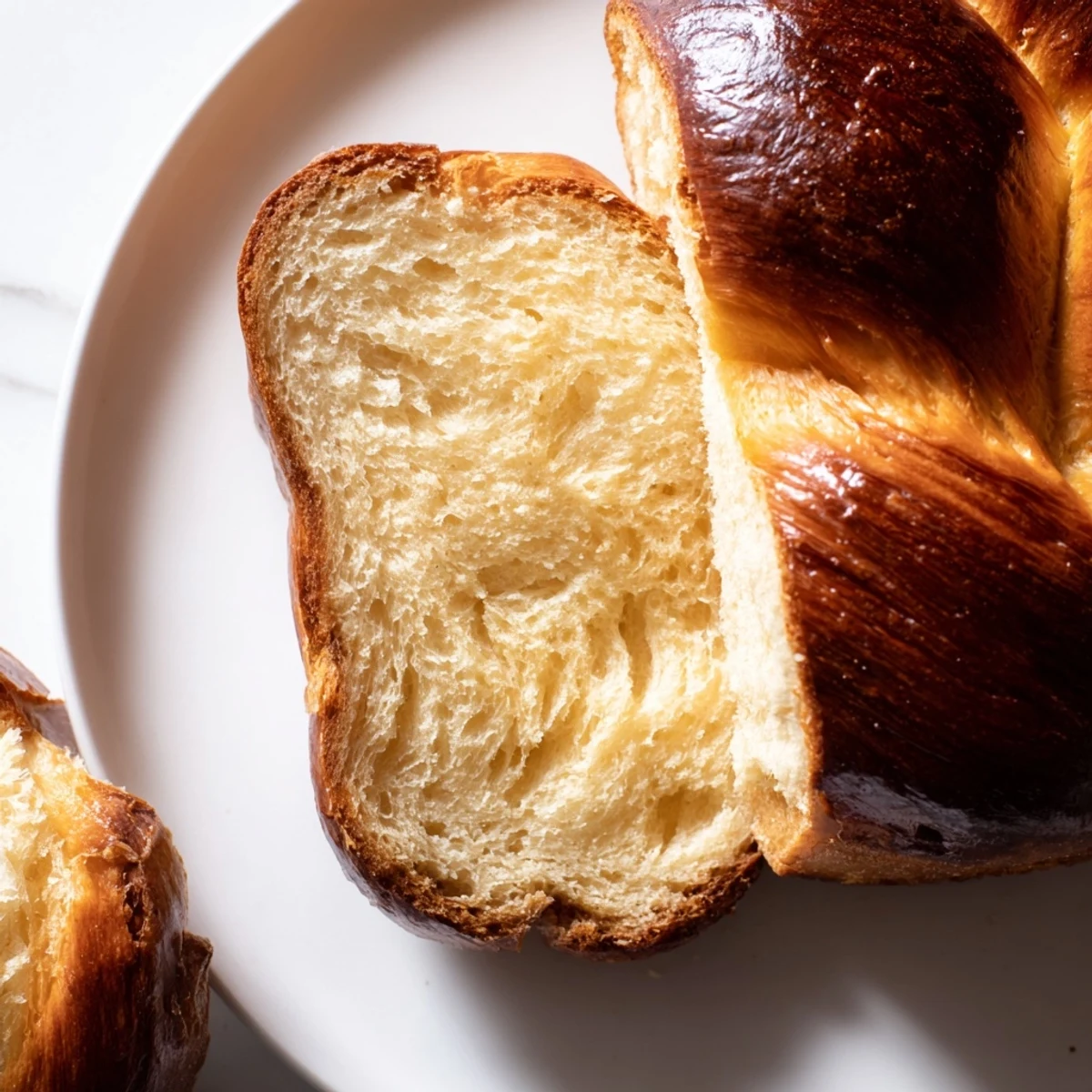
This brioche combines all-purpose flour, sugar, eggs, and milk with softened butter added gradually during kneading. The result is a rich, elastic dough that bakes to a beautiful golden brown crust with a soft, airy interior.
The first time I made brioche, I stood by the oven watching through the glass door as this golden beauty rose into something that looked like it belonged in a Parisian bakery window. My kitchen smelled like warm butter and happiness, and I remember thinking, I actually made this?
Last Sunday, my neighbor knocked on my door because she could smell the brioche baking from her apartment. I ended up giving her a warm slice with some homemade strawberry jam, and we ended up having coffee together on my balcony for two hours. Sometimes bread is just an excuse for connection.
Ingredients
- 500 g all-purpose flour: The foundation, though bread flour works too if you want extra chew
- 60 g granulated sugar: Just enough to hint at sweetness without calling it dessert
- 10 g instant yeast: Does the heavy lifting while you wait
- 8 g fine sea salt: Crucial for balancing all that buttery richness
- 4 large eggs, room temperature: Cold eggs will shock your dough and mess with your rise
- 120 ml whole milk, lukewarm: Think bathwater temperature, about 95°F
- 150 g unsalted butter: Softened but not melting, cut into small pieces so it incorporates easily
- 1 egg yolk + 1 tbsp whole milk: For that glossy, professional looking finish
Instructions
- Mix the dry foundation:
- Combine flour, sugar, yeast, and salt in your stand mixer bowl, giving it a quick whisk to distribute everything evenly.
- Bring it together:
- Add the eggs and warm milk, mixing on low until you have a shaggy, messy dough that barely holds together.
- Build the structure:
- Knead on medium speed for 5 minutes until the dough smooths out and starts to develop some elasticity.
- Add the butter gradually:
- Toss in those butter cubes one handful at a time, letting each addition fully incorporate before adding more. The dough might look sloppy at first, but keep going.
- Knead to glossy perfection:
- Continue kneading for another 10 minutes until the dough is glossy, stretchy, and cleanly pulls away from the bowl sides.
- First rise:
- Shape into a ball, place in a greased bowl, cover, and let rise in a warm spot for 1 to 1.5 hours until doubled.
- Shape your loaf:
- Gently deflate, divide into three ropes, and braid them, tucking the ends under. Place in your buttered 9x5 inch loaf pan.
- Second rise:
- Cover loosely and let rise another 45 minutes until puffy and nearly doubled in size.
- Preheat and brush:
- Heat your oven to 350°F (180°C). Whisk the egg yolk with milk and gently brush the top.
- Bake to golden:
- Bake 25 to 30 minutes until deeply golden and a skewer comes out clean.
- Cool completely:
- Wait 10 minutes in the pan, then transfer to a wire rack. Resisting the urge to slice while warm is the hardest part.
 Save
Save My daughter now requests this for her birthday instead of cake. We slice it thick, fry it in butter for French toast, and serve it with maple syrup and fresh berries. Some traditions are worth keeping.
Making It Your Own
I have swapped half the milk for heavy cream when I am feeling particularly indulgent. The crumb becomes even more tender, though I will admit it is probably overkill for a Tuesday morning.
Storage Wisdom
Brioche freezes beautifully, which is dangerous because it means you always have some on hand. I slice it before freezing so I can grab exactly what I need without thawing the whole loaf.
Serving Ideas
Beyond the obvious toast or French toast, I have used slightly stale brioche for bread pudding that makes people ask for the recipe. It also makes the most incredible grilled cheese sandwich you will ever eat.
- Try adding orange zest to the dough for a subtle citrus brightness
- Chocolate chips folded in during the final minute of kneading never hurt anyone
- Serve it alongside a cheese board and watch it disappear first
 Save
Save There is something deeply satisfying about pulling a warm, golden brioche from your own oven. Your kitchen will smell like a bakery, and you will feel like you can accomplish anything.
Recipe Questions & Answers
- → What makes this brioche different from regular bread?
-
The addition of milk and butter creates a richer, more tender crumb compared to regular bread. The milk adds moisture and sweetness, while the butter contributes to the signature golden color and luxurious texture.
- → Can I use active dry yeast instead of instant yeast?
-
Yes, you can substitute active dry yeast. Use the same amount and activate it in warm milk for 5-10 minutes before adding to the flour mixture. The rising times may vary slightly.
- → How do I know when the brioche is fully baked?
-
The brioche should be golden brown and sound hollow when tapped on the bottom. A skewer inserted in the center should come out clean without any dough residue.
- → Can I make this brioche without a stand mixer?
-
Yes, you can knead the dough by hand. It will require more effort and time (about 15-20 minutes) to achieve the same smooth, elastic texture.
- → How should I store leftover brioche?
-
Store in an airtight container at room temperature for up to 3 days. For longer storage, freeze slices in an airtight bag for up to 1 month. Reheat in a toaster or oven before serving.