
 Save
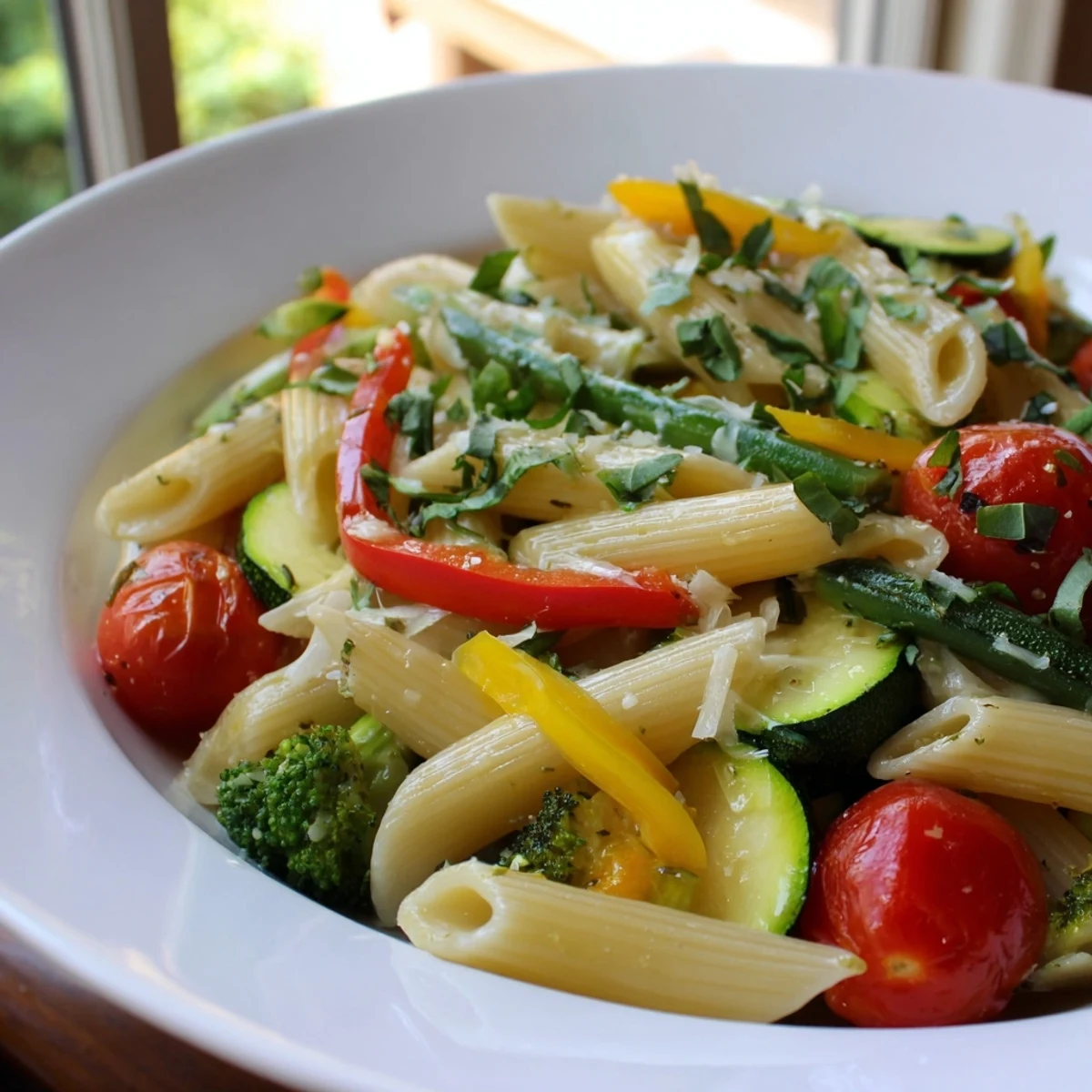
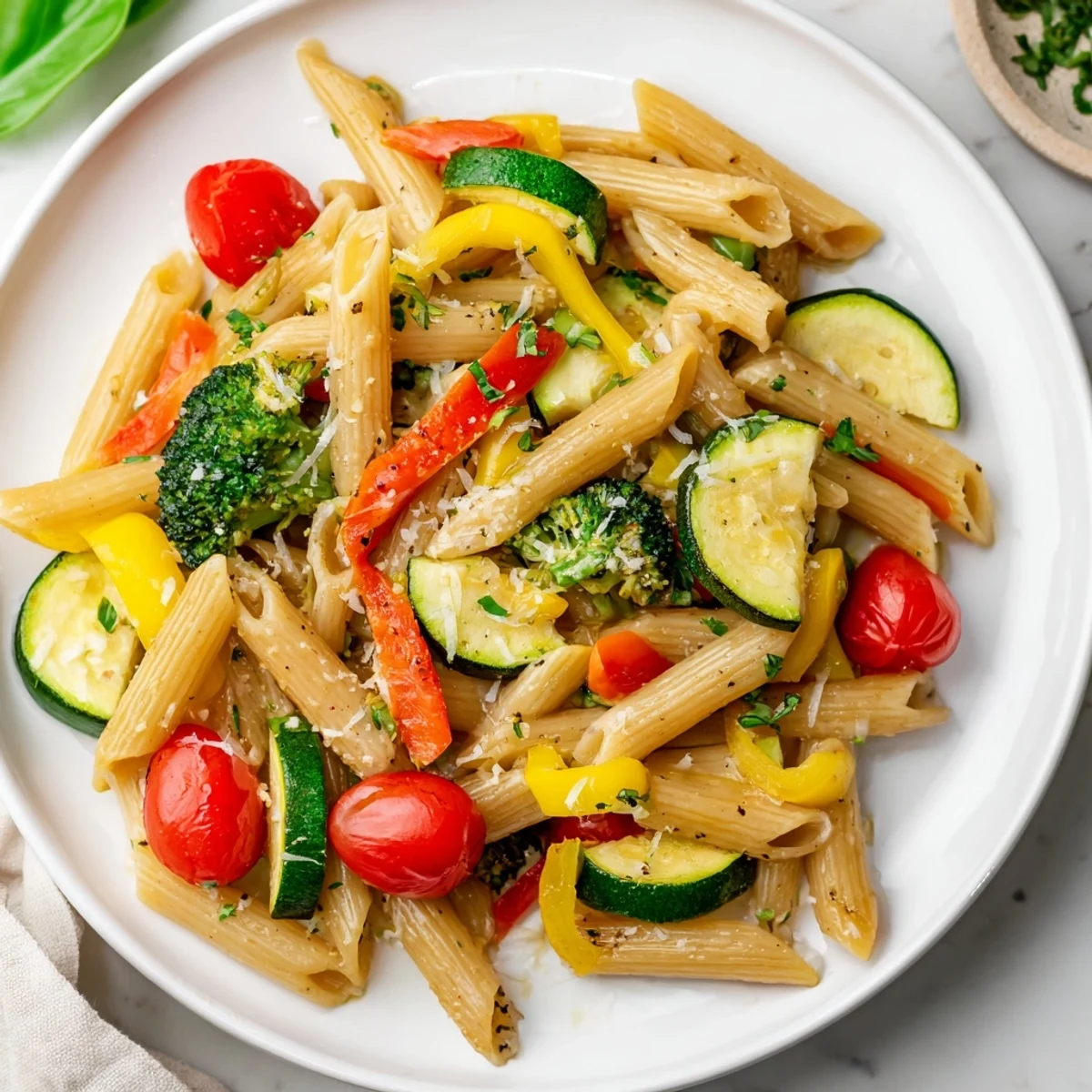
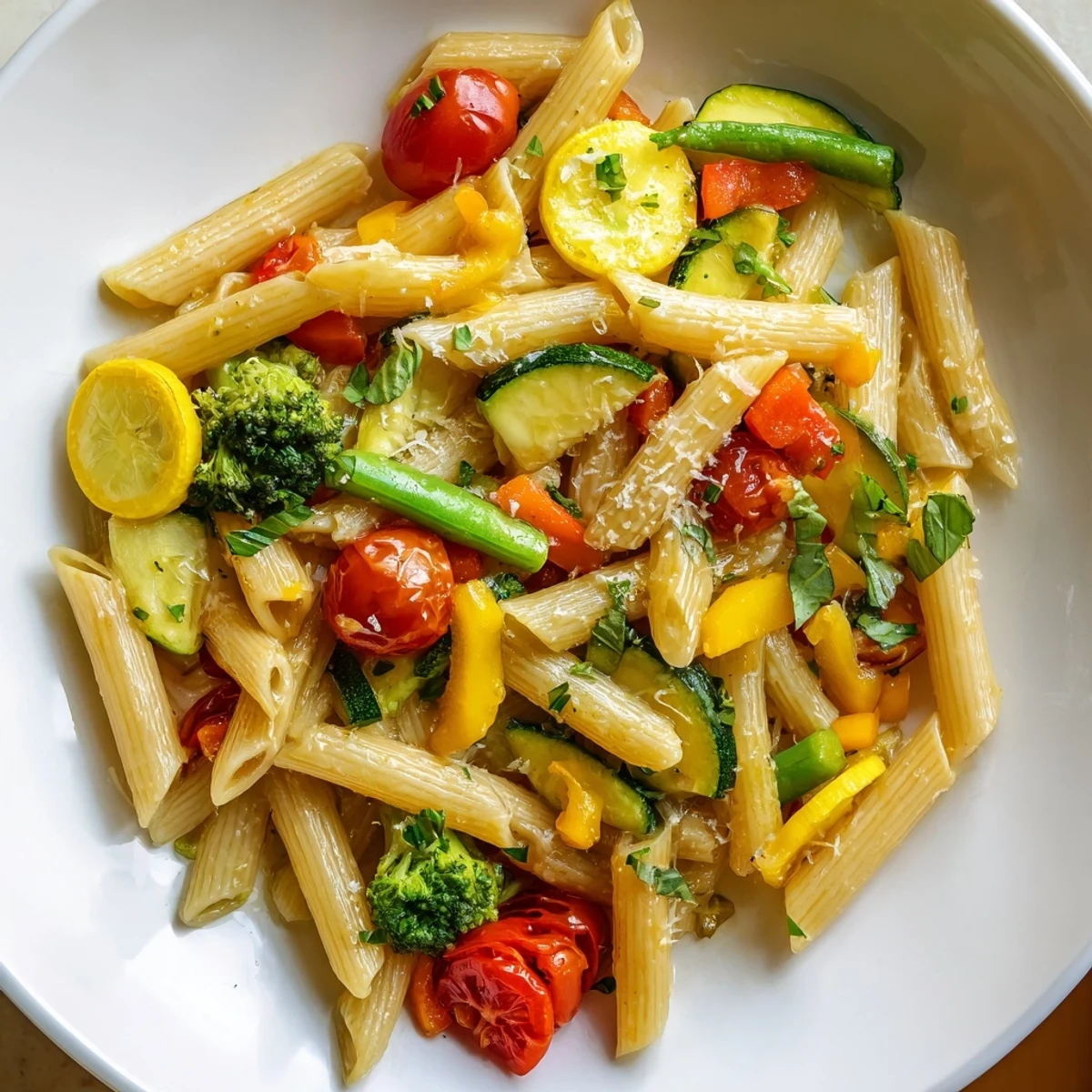
Save This colorful Italian classic brings together perfectly cooked pasta and crisp spring vegetables in a light, aromatic sauce. The dish features zucchini, yellow squash, bell peppers, cherry tomatoes, broccoli, and sugar snap peas, all enhanced with garlic, lemon, and fresh herbs.
The preparation is straightforward: cook the pasta until al dente while sautéing the vegetables until just tender. Combine everything with vegetable broth, lemon juice, and Parmesan for a bright, satisfying meal that celebrates seasonal produce. The result is a wholesome vegetarian dish that's perfect for weeknight dinners or casual entertaining.
The first time I made pasta primavera, I went way overboard with the vegetables and ended up with more produce than pasta. My husband just laughed and started eating it straight from the pan with a fork. That chaotic dinner taught me that primavera is less about precision and more about celebrating whatever fresh vegetables you have on hand.
Last spring, my neighbor dropped off a basket of vegetables from her garden, and this recipe was the perfect way to use them all. We sat on her back porch eating this primavera while watching the sunset, and she told me stories about teaching her grandchildren to plant zucchini. The dish felt like the essence of the season on a plate.
Ingredients
- 400 g penne or spaghetti: Penne catches the sauce beautifully in its ridges, but spaghetti works wonderfully if you prefer long pasta
- 1 small zucchini, sliced: Look for firm zucchini without soft spots, they hold their texture better during cooking
- 1 small yellow squash, sliced: The yellow variety adds a beautiful color contrast alongside the green zucchini
- 1 red bell pepper, julienned: Red peppers are sweeter than green ones, adding natural sweetness to the dish
- 1 cup cherry tomatoes, halved: They burst during cooking, releasing their juices into the light sauce
- 1 cup sugar snap peas, trimmed: Leave them whole for satisfying crunch in every bite
- 1 cup broccoli florets: Cut them into bite-sized pieces so they cook evenly with other vegetables
- 3 tablespoons extra virgin olive oil: This forms the base of your sauce, so use the good stuff
- 3 cloves garlic, minced: Fresh garlic makes all the difference, avoid jarred minced garlic
- 1/2 teaspoon crushed red pepper flakes: Optional but adds a lovely warmth that balances the vegetables
- 1/2 cup vegetable broth: Creates a light sauce without overwhelming the fresh flavors
- Juice of 1 lemon: Brightens everything and cuts through the olive oil
- 1/4 cup grated Parmesan cheese: Adds umami depth, save some for serving because everyone loves extra cheese
- Salt and freshly ground black pepper: Season each layer as you go for best flavor
- 2 tablespoons fresh basil, chopped: Tear it by hand for more aromatic oils released
- 2 tablespoons fresh parsley, chopped: Adds fresh, peppery notes that brighten the final dish
Instructions
- Cook the pasta:
- Bring a large pot of salted water to a boil and cook pasta until al dente, then drain but remember to save that precious half cup of pasta water.
- Start the aromatics:
- Heat olive oil in a large skillet over medium heat, add garlic and red pepper flakes if using, and let them sizzle for one minute until your kitchen smells amazing.
- Add the harder vegetables:
- Toss in zucchini, squash, bell pepper, and broccoli, sautéing for 4 to 5 minutes until they are just tender but still have some bite.
- Add delicate vegetables:
- Throw in cherry tomatoes and sugar snap peas, cooking for another 2 to 3 minutes until tomatoes start to blister and peas turn bright green.
- Create the sauce:
- Pour in vegetable broth and lemon juice, letting everything simmer for 2 minutes while seasoning with salt and pepper.
- Combine everything:
- Add the drained pasta to the skillet with Parmesan and a splash of that reserved pasta water, tossing until the sauce coats each piece.
- Finish with herbs:
- Stir in fresh basil and parsley, taste, and adjust seasoning before serving immediately with extra Parmesan on top.
 Save
Save This recipe became my go-to for summer dinner parties after my friend Maria asked for the recipe three times in one month. Now whenever I bring it to gatherings, someone always asks if I can teach them how to make it.
Making It Your Own
I have discovered that primavera is incredibly forgiving, you can swap vegetables based on what looks fresh at the market. Asparagus in spring, diced eggplant in summer, or even butternut squash cubes in fall all work beautifully.
The Perfect Pasta Texture
The key to restaurant quality primavera is cooking the pasta just shy of al dente since it finishes cooking in the sauce. I always set a timer for one minute less than the package suggests and the texture is always perfect.
Serving Suggestions
A simple green salad with lemon vinaigrette complements the fresh vegetables perfectly. Crusty bread helps scoop up every last drop of that light, flavorful sauce from your bowl.
- Grill some extra vegetables alongside and serve them on top for texture contrast
- A glass of crisp white wine like Pinot Grigio pairs beautifully with the bright flavors
- Make extra for lunch the next day because it tastes even better after the flavors meld
 Save
Save This dish captures everything I love about spring cooking, fresh vegetables, bright flavors, and the satisfaction of creating something beautiful from simple ingredients. Hope it brings as much joy to your table as it has to mine.
Recipe Questions & Answers
- → What vegetables work best in pasta primavera?
-
Spring vegetables like zucchini, yellow squash, bell peppers, cherry tomatoes, broccoli, and sugar snap peas work beautifully. The key is to cut them uniformly and cook until just tender to maintain their vibrant color and crisp texture.
- → Can I make pasta primavera gluten-free?
-
Yes, simply substitute regular pasta with your favorite gluten-free pasta. Brown rice or quinoa-based penne works particularly well. The cooking time may vary slightly, so check the package instructions.
- → How do I prevent the vegetables from becoming mushy?
-
Sauté the harder vegetables first (zucchini, squash, broccoli, peppers) for 4-5 minutes, then add quicker-cooking vegetables like cherry tomatoes and snap peas. This ensures everything retains texture and bright color.
- → What can I use instead of Parmesan cheese?
-
For dairy-free options, try nutritional yeast, vegan Parmesan alternatives, or simply omit the cheese and increase the fresh herbs and lemon juice. The dish remains flavorful without dairy.
- → Can I add protein to this dish?
-
Absolutely. Grilled chicken, sautéed shrimp, or chickpeas make excellent additions. Add cooked proteins during the final tossing step so they heat through without overcooking.
- → How should I store leftovers?
-
Store in an airtight container in the refrigerator for up to 3 days. When reheating, add a splash of water or broth to refresh the sauce. The pasta will absorb more liquid as it sits.