 Save
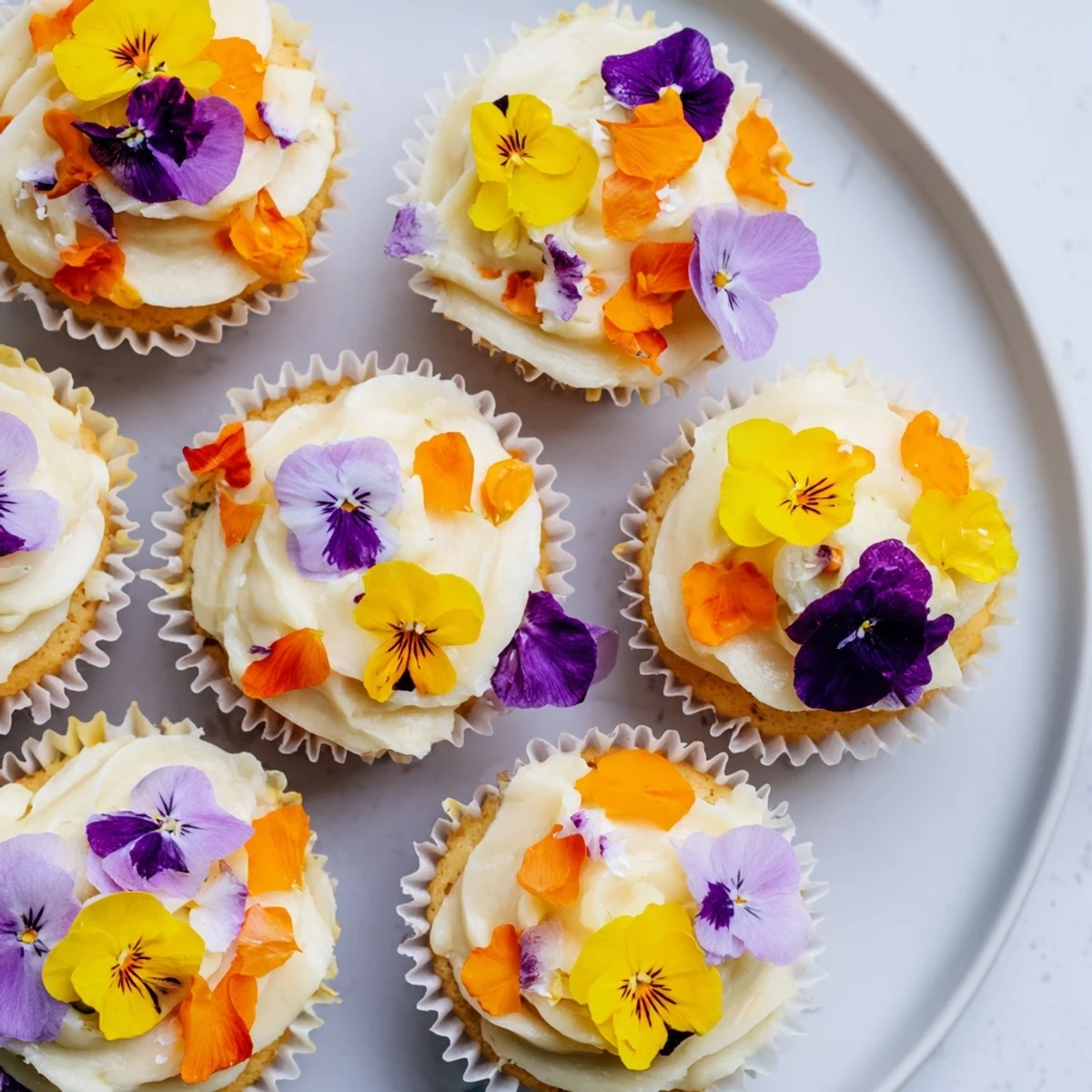
Save These delicate vanilla cupcakes feature a moist, tender crumb and are crowned with silky vanilla buttercream. The finishing touch comes from fresh edible wildflowers like violets, pansies, and nasturtiums, creating a stunning presentation that captures the essence of spring.
Ready in just 40 minutes, these treats are perfect for afternoon tea, spring celebrations, or whenever you want to serve something truly special. The classic vanilla base pairs beautifully with the subtle floral elements, while the light buttercream adds just the right amount of sweetness.
My neighbor's garden burst into color last May, and she caught me staring at her violets from over the fence. Instead of being annoyed, she showed me which ones were edible and sent me home with a handful. Those first flower-topped cupcakes felt like eating spring itself, and I've been waiting for the blooms to return ever since.
I made these for my mother's birthday tea last year, carefully arranging pansy petals on each one like tiny works of art. My niece asked if they were too pretty to eat, then proceeded to devour two in under five minutes. Now they're the only thing anyone ever requests for spring celebrations.
Ingredients
- All-purpose flour: The backbone of any tender cupcake, spoon and level it to avoid packing too much in
- Granulated sugar: Creates that delicate crumb structure while sweetening just enough to let the flowers shine
- Unsalted butter: Room temperature butter is non-negotiable here—it creates the air pockets that make these cupcakes light
- Large eggs: Bring them to room temperature too, so they emulsify properly into the batter
- Whole milk: Adds moisture and richness, though I've used buttermilk in a pinch for slight tang
- Baking powder: The lift that turns dense cake into something cloud-like
- Fine salt: Just enough to make the vanilla sing without tasting salty
- Pure vanilla extract: Splurge on the good stuff since vanilla carries the entire flavor profile
- Unsalted butter for frosting: Again, softened completely so your buttercream won't have lumps
- Powdered sugar: Sift it first or risk tiny white specks in your silky buttercream
- Whole milk for frosting: Adjust this by half-teaspoon to get exactly the consistency you want
- Edible wildflowers: Violets, pansies, nasturtiums, or calendula work best—grow them yourself or buy from someone you trust implicitly
Instructions
- Getting ready to bake:
- Preheat your oven to 350°F and line a 12-cup muffin tin with paper liners, setting the stage for something beautiful.
- Creating the base:
- Cream the butter and sugar together in a large bowl until they're pale and fluffy, which usually takes about 3 minutes of serious mixing.
- Adding life to the batter:
- Beat in the eggs one at a time, letting each fully incorporate before adding the next, then mix in the vanilla until everything is glossy.
- Prepping the dry team:
- Whisk together the flour, baking powder, and salt in a separate bowl so they're evenly distributed before they meet the wet ingredients.
- The gentle combine:
- Add the dry ingredients to the butter mixture in three additions, alternating with the milk, and stop mixing the second everything disappears.
- Filling the cups:
- Divide the batter evenly among your cupcake liners, filling each about two-thirds full—any more and they'll overflow in the oven.
- The baking moment:
- Bake for 18 to 20 minutes, checking at the 18-minute mark when a toothpick should come out clean or with just a crumb or two.
- The cooling patience:
- Let them rest in the pan for 5 minutes before moving them to a wire rack, because hot cupcakes tear apart too easily.
- Making the frosting:
- Beat the butter until it's creamy, then gradually add powdered sugar before pouring in milk, vanilla, and salt until you have something silky and pipeable.
- The flower finale:
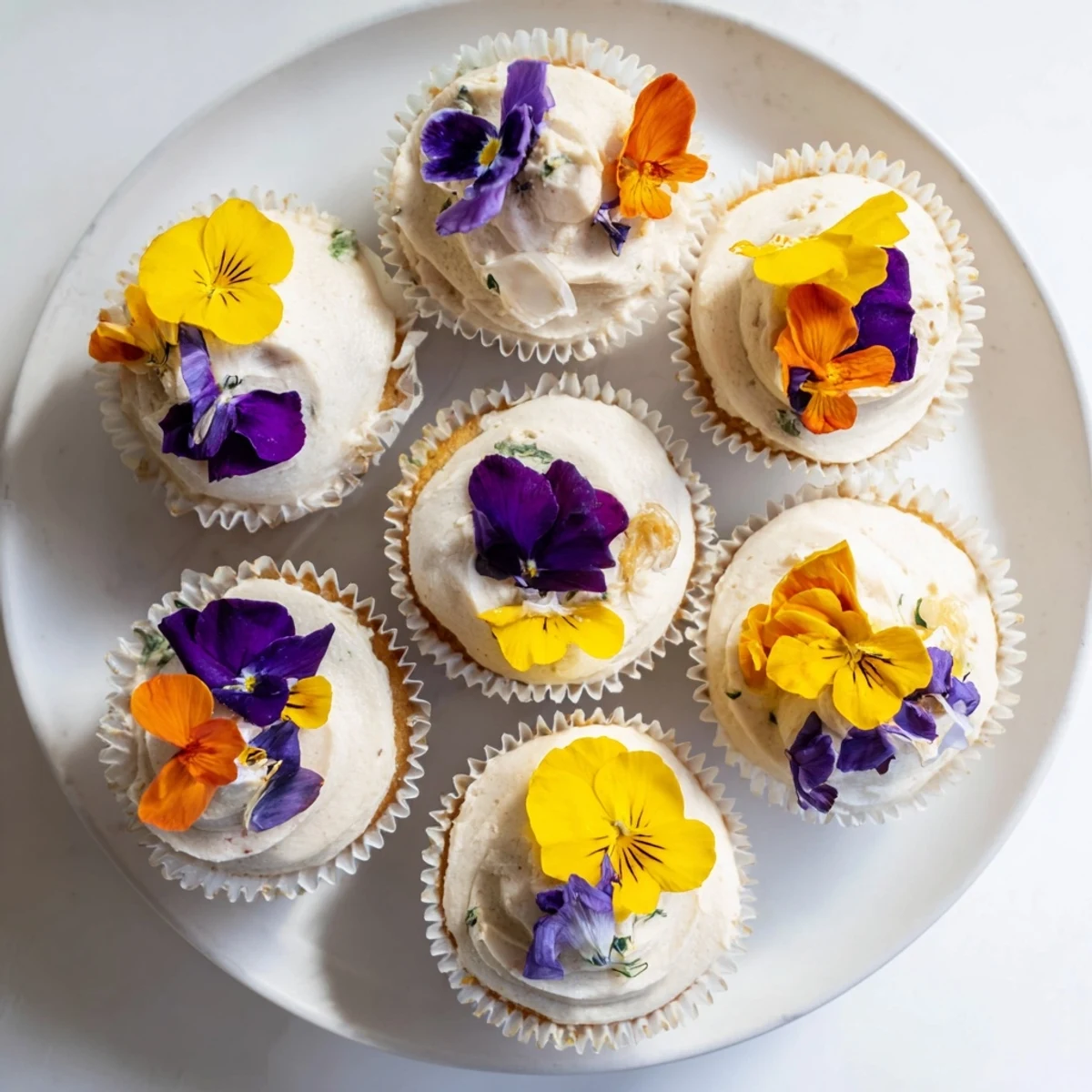
- Frost your completely cooled cupcakes and arrange the flowers on top like you're creating tiny gardens, pressing them gently into the buttercream.
 Save
Save My friend brought these to a picnic and everyone spent five minutes just admiring them before anyone took a bite. Something about edible flowers on food makes people slow down and appreciate the moment.
Working With Edible Flowers
Gently rinse your flowers and lay them on paper towels to dry completely, because water droplets will make buttercream weep. I learned to pick them right before decorating so they're perky and fresh, not wilted from sitting in the fridge.
Making These In Advance
The cupcakes themselves freeze beautifully for up to a month if wrapped well, but always add the flowers right before serving. Once I decorated them the night before and woke up to wilted, sad-looking petals—a hard lesson in timing.
Serving Suggestions
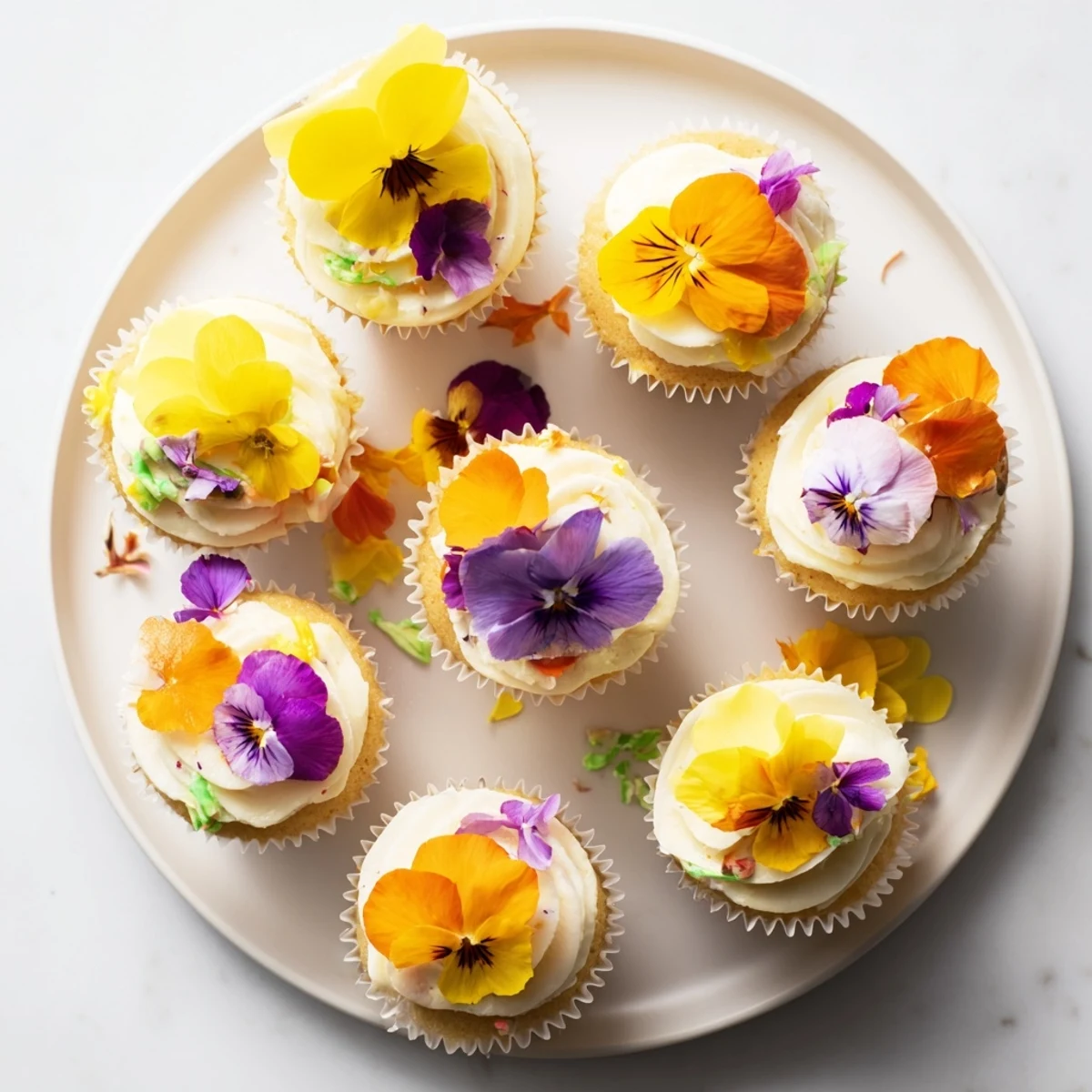
These deserve to be the star of a spring brunch or baby shower, arranged on a pretty cake stand with natural light hitting them just right. I've found they pair beautifully with delicate herbal teas or something sparkling.
- Keep a small pair of tweezers handy for placing tiny flower petals precisely where you want them
- Have an assortment of flower types and colors ready for variety
- Tell your guests which flowers are which—it's part of the fun
 Save
Save There's something impossibly satisfying about serving food that looks like it grew from a storybook garden. May your spring be filled with flowers and friends who appreciate them.
Recipe Questions & Answers
- → Which edible flowers work best for topping?
-
Violets, pansies, nasturtiums, and calendula petals are excellent choices. Always ensure flowers are edible, untreated, and sourced from a reliable supplier. Avoid flowers from florists or nurseries as they may contain pesticides.
- → How far in advance can these be made?
-
The cupcakes can be baked one day ahead. Store unfrosted in an airtight container. Frost and decorate with flowers within 2-4 hours of serving to prevent the buttercream from absorbing moisture and wilting the petals.
- → Can the buttercream be made in different colors?
-
Absolutely. Add natural food coloring or freeze-dried fruit powder to achieve soft pastel shades that complement the flowers. Stick to subtle hues to let the edible blossoms remain the star attraction.
- → What's the best way to attach flowers to frosting?
-
Gently press clean, completely dry flowers into freshly piped buttercream. For extra security, you can brush the backs of larger blooms with a tiny amount of honey or cooled, melted white chocolate before placing.
- → How should leftovers be stored?
-
Store in an airtight container at room temperature for up to 2 days. Place a piece of parchment paper between layers if stacking. The flowers may wilt slightly over time but remain safe to eat.